Most palace itineraries fall apart on contact with a closing day. This one is built around the closing days instead, which is why it survives them.
The fact the plan is built on
Gyeongbokgung closes on Tuesdays. Changdeokgung closes on Mondays. That is not a coincidence and it is not a nuisance — it means one of the two great palaces of Seoul is open every single day of the week, and a day built around whichever one is open loses nothing.
So the running order below is the Monday-to-Sunday default. On a Tuesday, when Gyeongbokgung is shut, start at Changdeokgung instead and walk the route backwards. On a Monday, when Changdeokgung is shut, keep the morning as it is and put Changgyeonggung in the afternoon slot — it is next door, it costs 1,000 won, and it is quieter than either of the famous two.
The ticket that is worth doing the arithmetic on
Adult admission is 3,000 won for Gyeongbokgung and 3,000 won for Changdeokgung. Changgyeonggung, Deoksugung and Jongmyo are 1,000 won each.
The combined ticket is 6,000 won, covers all four palaces plus Jongmyo, and is valid for six months from purchase. It pays for itself the moment you visit two of the big palaces, and it is still worth buying if you might come back later in the trip.
The exception matters: the combined ticket does not include Changdeokgung’s Secret Garden, which is 5,000 won separately, and which is a timed guided visit you should book before the day starts.
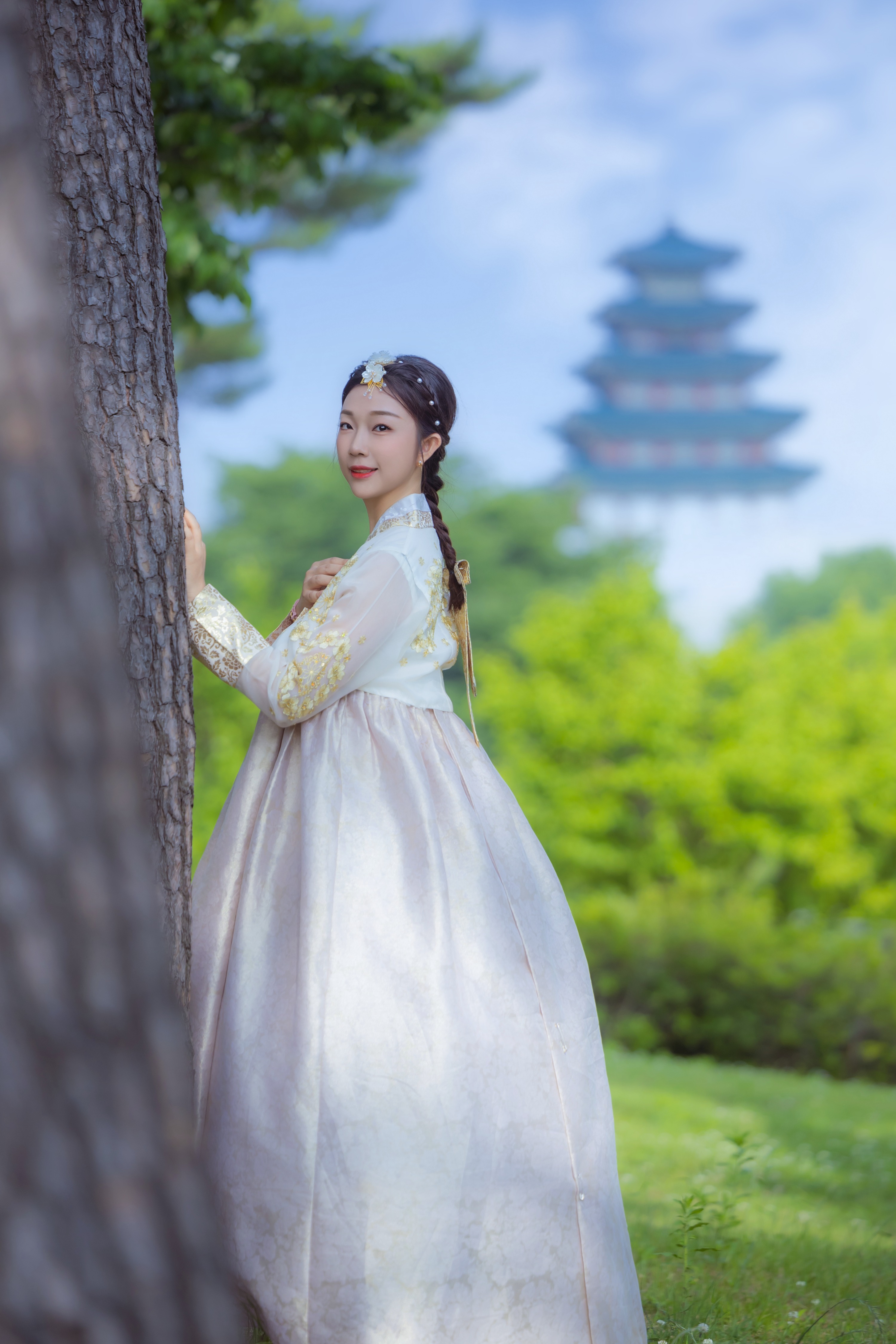
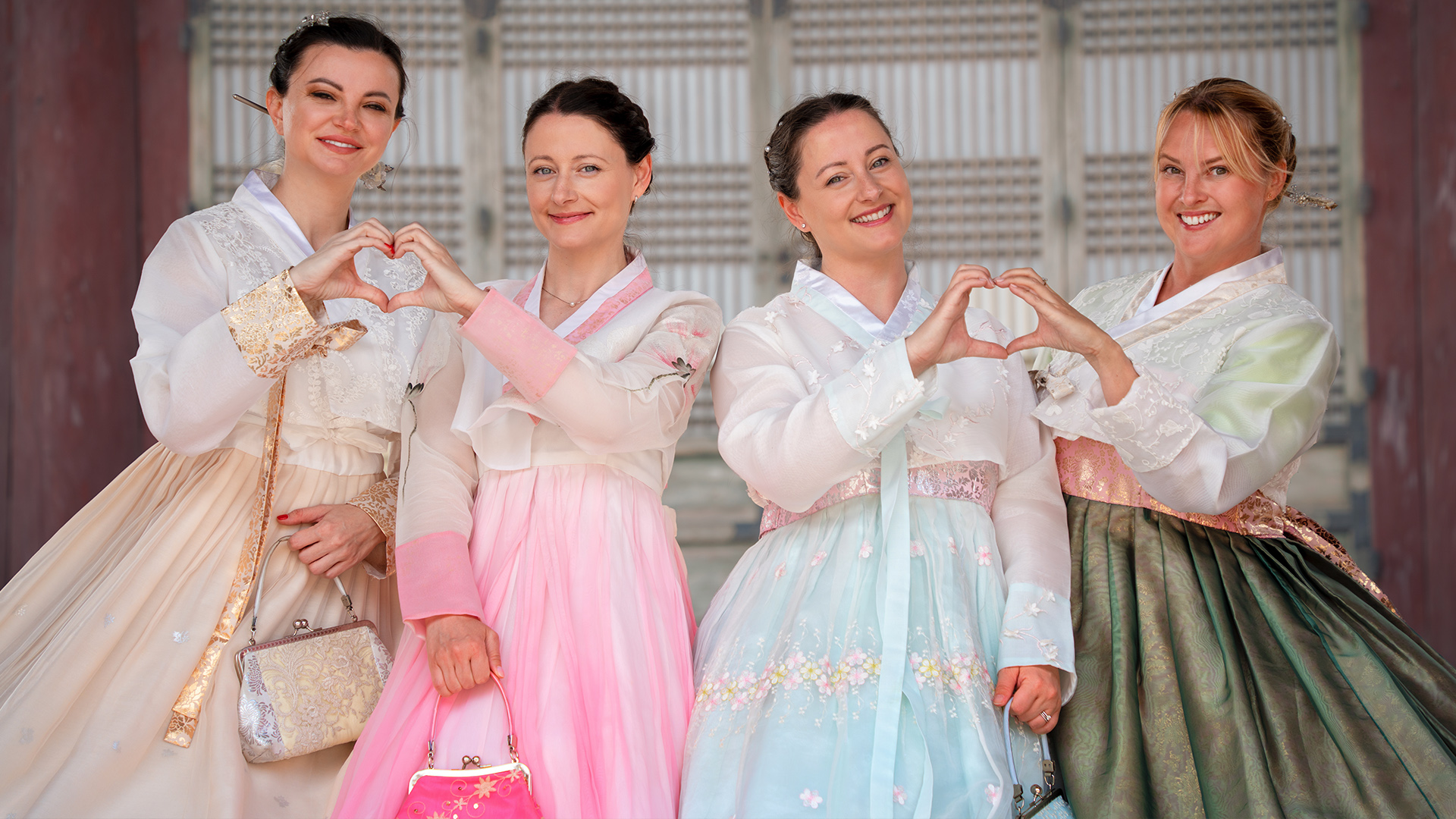
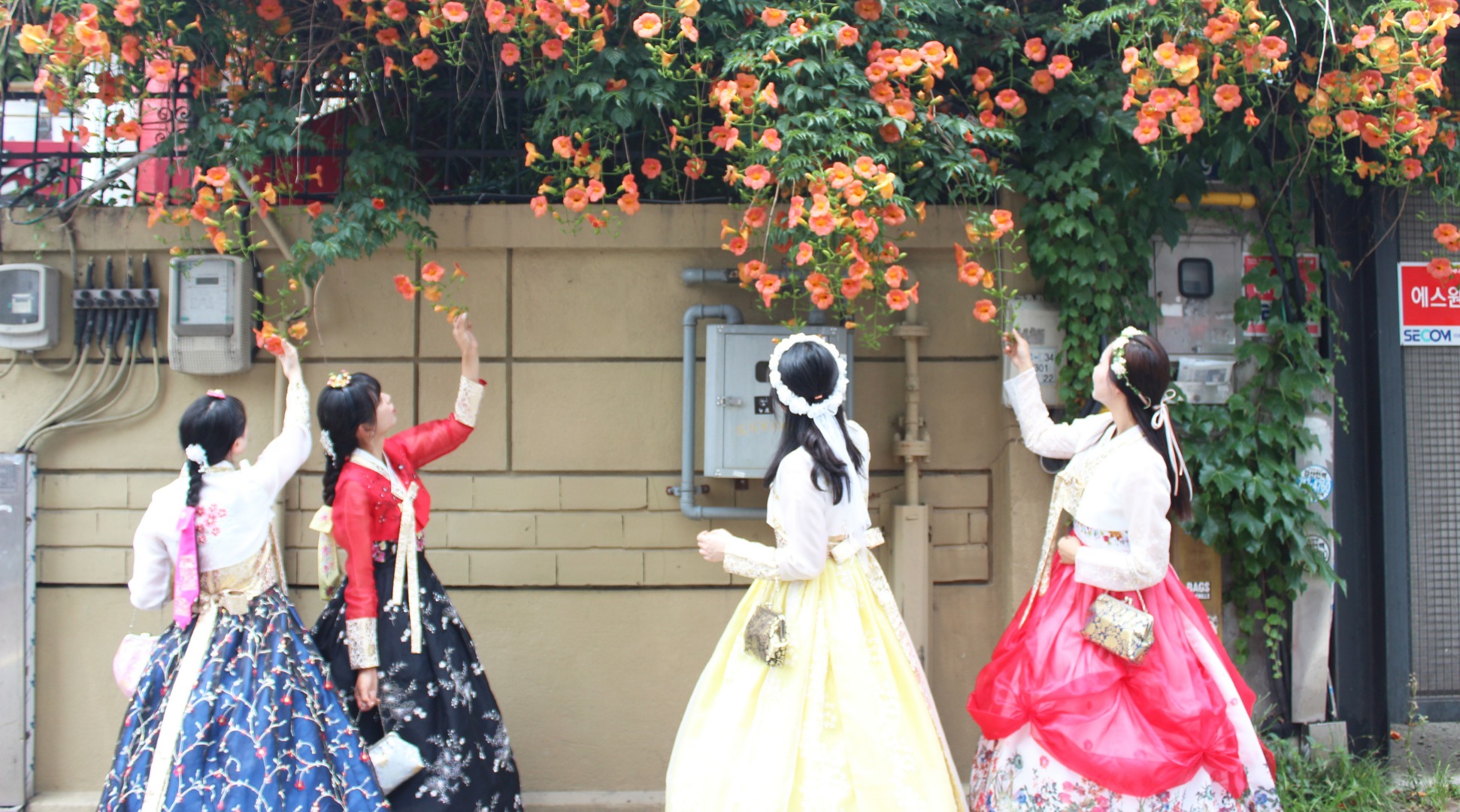
If you are wearing hanbok, all of this is free. So is entry for foreign visitors under 18 or 65 and over, and for everybody on the last Wednesday of the month. The hanbok rental guide covers what that is actually worth, given that the ticket it saves you costs 3,000 won.
Why the morning slot is not negotiable
Two of the stops above have a time attached for a reason rather than for neatness.
Gyeongbokgung at opening is a different place from Gyeongbokgung at eleven. The grounds are large enough to absorb a crowd, but the first courtyard and the walk up to Geunjeongjeon are not, and the coach groups arrive mid-morning.
Bukchon is somebody’s street. The lane on Bukchon-ro 11-gil is signposted for visitors from 10:00 to 17:00 and asks people to keep the noise down, because the houses on it are lived in. Going late in the day pushes you against that window; going late in the afternoon means arriving as it closes.
Getting between the stops
Everything on this route is walkable, and the walking is the good part — the stretch from Gyeongbokgung’s eastern wall up into Bukchon is the single best twelve minutes of the day.
If you would rather ride, the whole route sits on Line 3: Gyeongbokgung for the first stop, Anguk for Bukchon and Changdeokgung, Jongno 3-ga for Ikseon-dong. A single subway journey starts at 1,550 won and transfers are free, so the two hops cost about 3,100 won between them. The subway guide covers the parts of the system that are not obvious.
What the day actually costs
Admission at 6,000 for the combined ticket and 5,000 for the Secret Garden, about 3,100 in fares, lunch at 10,000 to 15,000, coffee somewhere in Ikseon-dong, and dinner at 15,000 to 30,000 depending on whether it involves grilled meat. That lands between 39,000 and 66,000 won a head — the low end if you skip the garden and eat simply, the high end if you do everything.
Nothing on this list needs to be booked except the Secret Garden. If you are still assembling the wider trip, the first-timer’s two or three days puts this day in context alongside the rest of the city.
Palace admission prices, the combined ticket’s coverage and validity, and the free-entry categories are from the Royal Palaces and Tombs Center; opening hours and closing days from the Korea Tourism Organization’s listings for each palace; the subway fare from the Seoul metropolitan fare table. Checked 10 September 2026. Palaces adjust their hours by season and close on public holidays that fall on their closing day — confirm the day before if the plan depends on it.