Two days in Seoul is enough for the city’s centre. Three is comfortable.
The thing that catches first visits is not distance. It is closing days. Gyeongbokgung shuts on Tuesdays, and Changdeokgung and Deoksugung shut on Mondays, so the order you visit in is decided for you before you start.
The historic centre: one full day
Everything here is walkable from everything else.
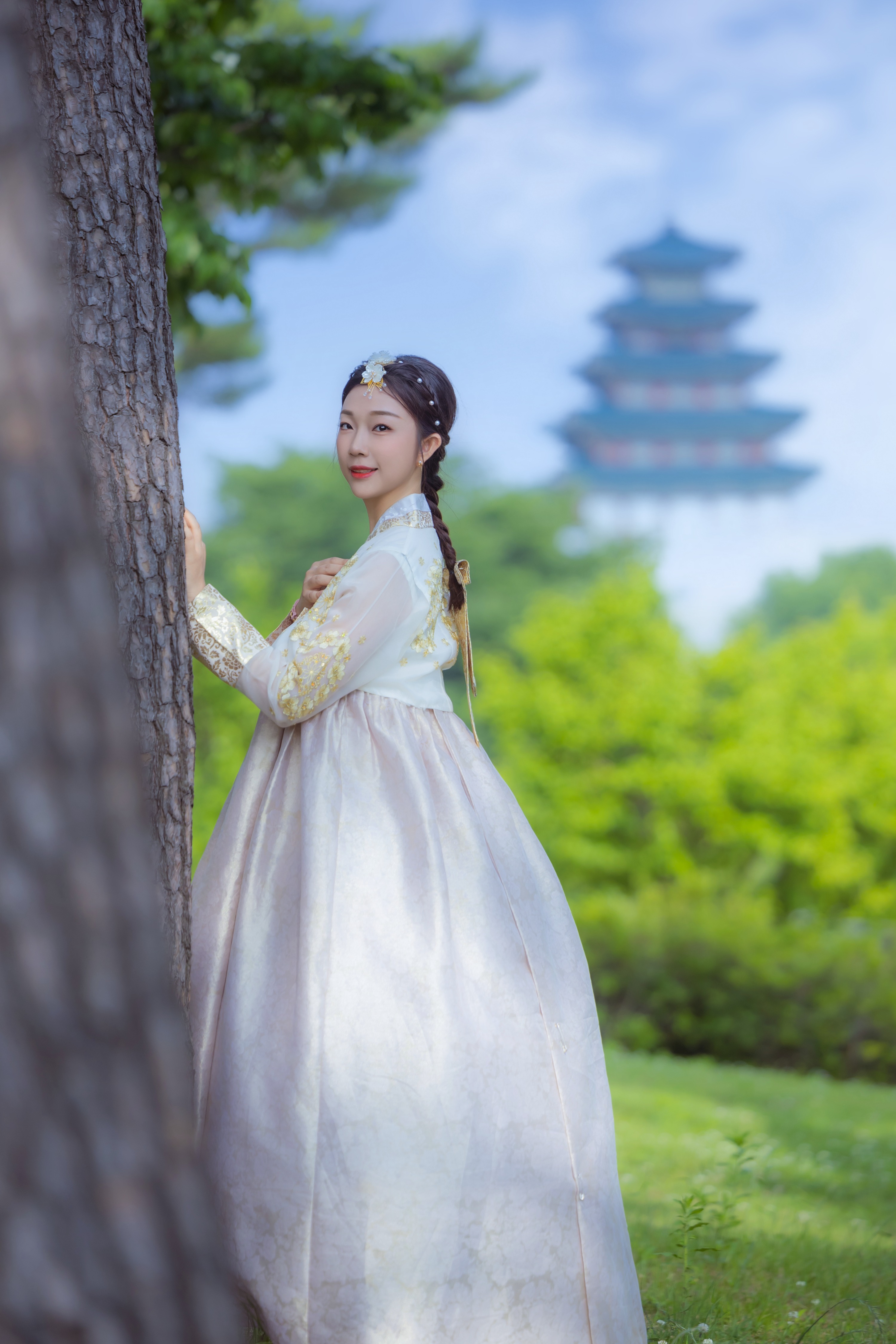
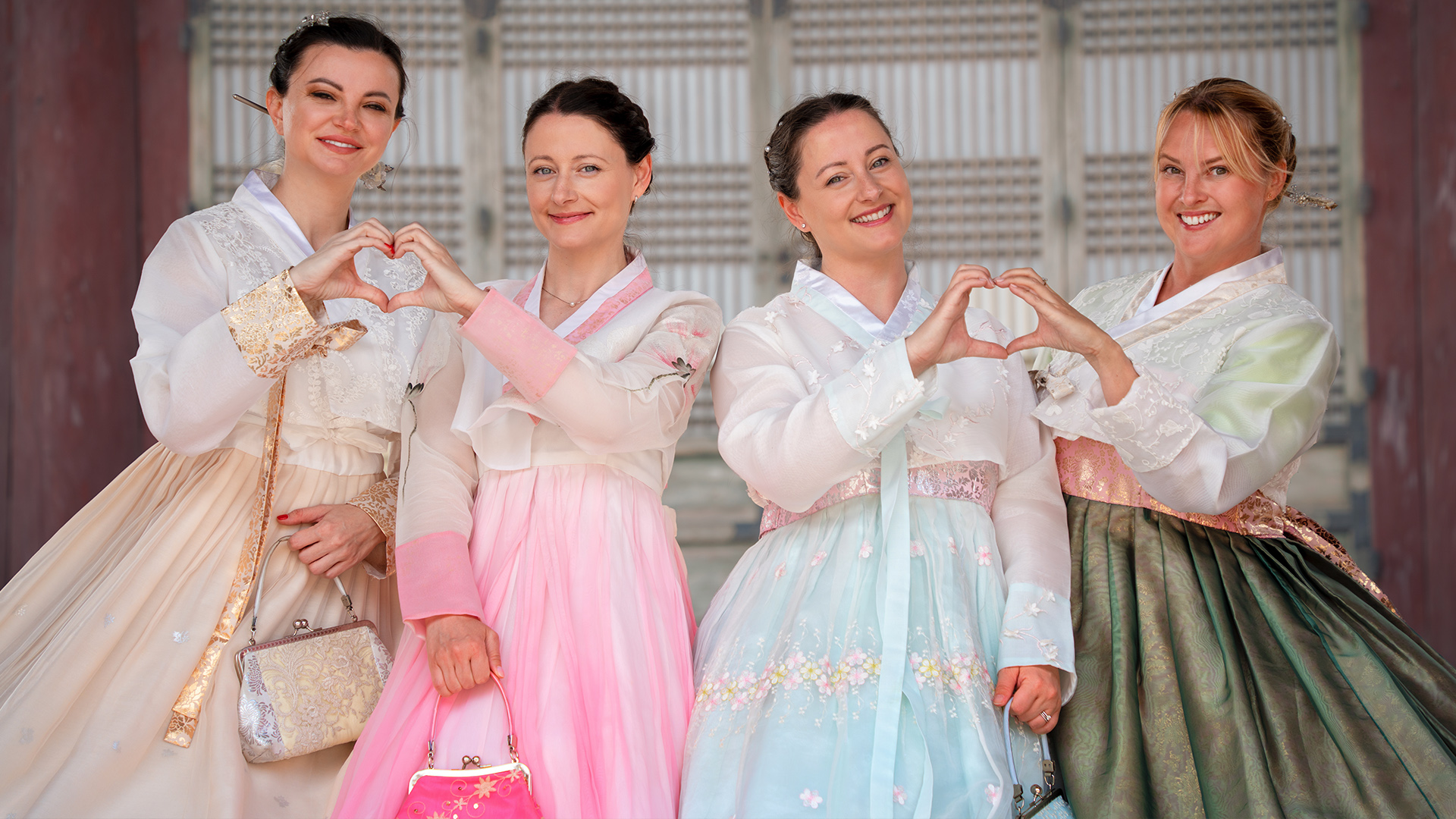
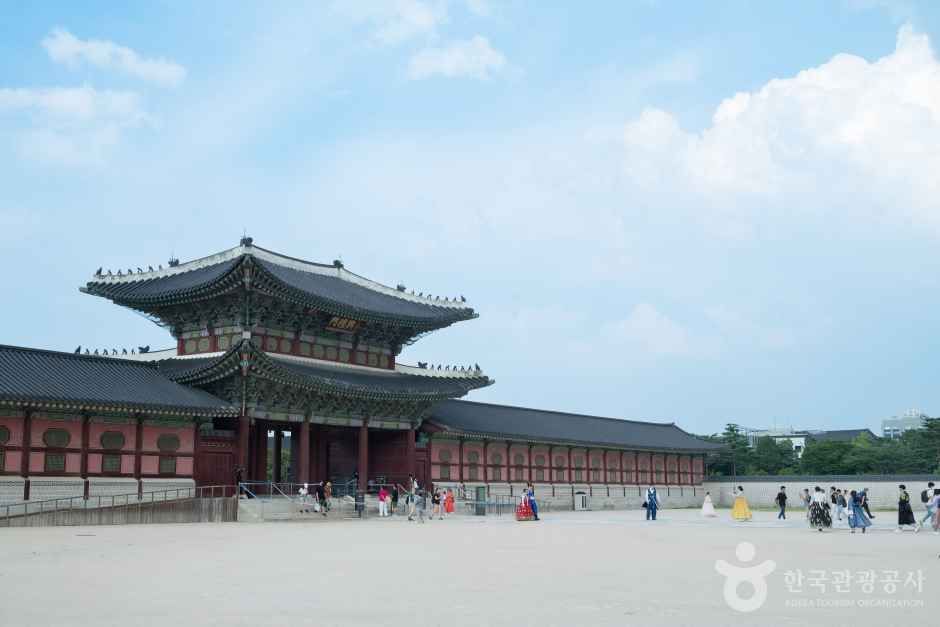
Gyeongbokgung (경복궁, Gyeongbokgung) is the largest of the palaces and the one to see if you only see one. Entry is 3,000 won, or free if you are wearing hanbok.
The Changing of the Royal Guard runs at 10:00 and 14:00, and not on Tuesdays. It takes about twenty minutes. In heavy rain the ceremony may be cancelled, though the guard at Heungnyemun Gate stays on duty.
Bukchon Hanok Village (북촌한옥마을, Bukchon Hanok Maeul) is ten minutes’ walk east. It is a residential neighbourhood of traditional houses, not an attraction, and the city has started enforcing that: the busiest lanes are closed to visitors from 17:00 to 10:00, with a 100,000 won fine. Go in the morning, keep your voice down, and do not photograph into courtyards.
Insadong (인사동, Insa-dong) is south of Bukchon: tea houses, brushes, paper, ceramics. It is the easiest place in the city to buy something that is actually from here.
Ikseon-dong (익선동, Ikseon-dong) is five minutes further east and often confused with Insadong. It is the older hanok quarter, now narrow alleys of cafés, makgeolli bars and small restaurants built inside the old houses. Go around dusk, when the signs light up.
If you want a second palace, Changdeokgung (창덕궁, Changdeokgung) is the more beautiful one, and its rear garden is the reason people go. Remember it closes Mondays, the opposite of Gyeongbokgung.
| Palace | Closed | Entry |
|---|---|---|
| Gyeongbokgung | Tuesday | 3,000 won, free in hanbok |
| Changdeokgung | Monday | separate ticket for the rear garden |
| Deoksugung | Monday | — |
| All four palaces | — | 10,000 won combined ticket |
The view and the shopping: day two
N Seoul Tower (남산서울타워, Namsan Seoul Tower) sits on the mountain in the middle of the city, and the view is the point. It opens every day of the year, 10:00 to 22:30 on weekdays and to 23:00 at weekends. The observatory is 29,000 won. Go up before sunset and stay through it; the cable car queue is shortest on weekday afternoons.
Myeongdong (명동, Myeong-dong) is at the foot of the mountain: cosmetics, clothes, and street food carts that set up in the late afternoon. It is crowded and commercial and completely worth one evening.
Dongdaemun (동대문, Dongdaemun) is the late-night half of the same idea, with the Dongdaemun Design Plaza lit up beside markets that stay open past midnight.
Between them, Cheonggyecheon (청계천, Cheonggyecheon) is a restored stream running through the middle of the city, below street level. It is a twenty-minute walk that makes the day feel less like shopping.
Day three: the modern city
The first two days are old Seoul. This one is the other half, and most first visits skip it.
COEX (코엑스, Koekseu) in Samseong is the largest underground shopping centre in the world, and the reason to go is free: the Starfield Library (별마당 도서관, Byeolmadang Doseogwan), an open hall with thirteen-metre bookshelves in the middle of the mall. It costs nothing, it is open 10:30 to 22:00, and it is one of the most photographed places in the city. Samseong Station on Line 2, exit 5 or 6.
Across the road is Bongeunsa (봉은사, Bongeunsa), a Buddhist temple that has been on that spot for over a thousand years, with a twenty-three-metre stone Buddha standing behind the halls. Also free. The contrast — a working temple facing a glass tower — is the most honest picture of Seoul you will get in one place.
The COEX Aquarium is there too if you are travelling with children.
Lotte World Tower (롯데월드타워, Lotte World Tower) is twenty minutes east at Jamsil. Its observatory, Seoul Sky, occupies the top floors at 555 metres, with a glass floor at 478 metres. Tickets are 31,000 won, open 10:30 to 22:00 and to 23:00 on Friday and Saturday.
You do not need both towers. Namsan is lower, cheaper and has the mountain and the walk; Lotte is higher, newer and looks down on the Han River. Pick one.
Or spend the day somewhere else entirely
If towers and malls are not the point of your trip, three alternatives, each a full day:
Hongdae (홍대, Hongdae) — the university district. Music, street performance, small shops, and the youngest crowd in the city.
Seongsu (성수동, Seongsu-dong) — old factories turned into cafés, concept stores and galleries, with Seoul Forest next to it. This is where Seoul residents actually spend their weekends now.
Gwangjang Market (광장시장, Gwangjang Sijang) — for food specifically. Go hungry, at lunchtime, and eat standing up.
A day trip is also possible — the DMZ, Nami Island, or Suwon’s fortress — but each takes most of a day, and a first visit is usually better spent finishing Seoul.
Two practical things
Sunday is not a closing day, but Monday and Tuesday both are for different palaces. If your trip is short and includes one of those days, put the palace on the other one.
Buy a transit card before your first journey. Everything above is reachable by subway, and single-journey tickets add a deposit and a machine visit each time. There is a separate guide to how the cards and transfers work, and another to the parts of the subway that confuse people.
Two days covers the palaces, Bukchon, Insadong and Ikseon-dong, one tower and one evening of Myeongdong. The third day is where you choose between the modern city and the neighbourhoods people actually live in.