Two numbers set expectations. Seoul’s January averages minus two degrees, and the country issues a formal cold-wave advisory when morning lows are forecast at minus twelve or below for two days running.
So an ordinary winter day is cold but manageable. The cold snaps are a different thing, and they arrive without much warning.
It is drier than you are picturing
Most people imagine Korean winter as snow. The month that is coldest is also the driest: January averages under 17 millimetres of precipitation, less than any other month of the year.
What you get instead is clear, bright, hard cold, with a wind that finds every gap. Snow does fall, and when it does the pavements ice over and stay that way, but a fortnight of blue sky and frozen air is the more common experience.
Pack for wind and ice, not for slush.
Layers, because indoors is hot
This is where visitors get it wrong. They buy one enormous coat, and then spend the trip sweating.
Korean buildings are heated hard, and floors are heated directly from underneath, so an apartment or a restaurant runs genuinely warm rather than merely not-cold. The subway is hot. Buses are hot. Shops are hot. You will be moving between minus five and plus twenty-four all day.
A coat you cannot open, over a jumper you cannot remove, is a bad afternoon. Thin layers you can shed and stuff into a bag are better than one heavy shell.
What Koreans actually wear
The long padded coat that reaches the knee or below is not a stereotype, it is simply what works, and in January you will see it on most of the street. It beats a shorter, thicker jacket because the cold gets at your legs.
Under it, thermal innerwear rather than more bulk on top.
And hand warmers. Small disposable heat packs are sold in every convenience store through the winter, they cost very little, and they go in a coat pocket or a glove. Koreans use them constantly and visitors rarely think of them.
Feet, hands, face
Your extremities decide whether the day is pleasant. Warm socks and shoes with some grip matter more than the coat does, because iced-over pavement is the actual hazard, especially in the mornings and on side streets that nobody has cleared.
Gloves, and something over your ears. The wind is the part that hurts.
The air is also very dry, which catches people out. Lip balm and hand cream are worth the space, and if your skin is at all sensitive, moisturiser.
If you underpacked, buy it there
You do not need to bring everything. Thermal innerwear, gloves, scarves, hats and socks are cheap and sold everywhere, from the underground shopping streets to any of the big high-street chains. Getting kitted out properly costs less than you would expect and takes an hour.
This is the better plan if you are coming from somewhere warm and would otherwise buy expensive winter clothing at home for one trip.
Where to warm up
Cafés are the obvious answer and they are everywhere. Beyond that, the underground shopping arcades connected to subway stations let you cross a fair amount of the city without surfacing, which on a windy day is its own kind of luxury.
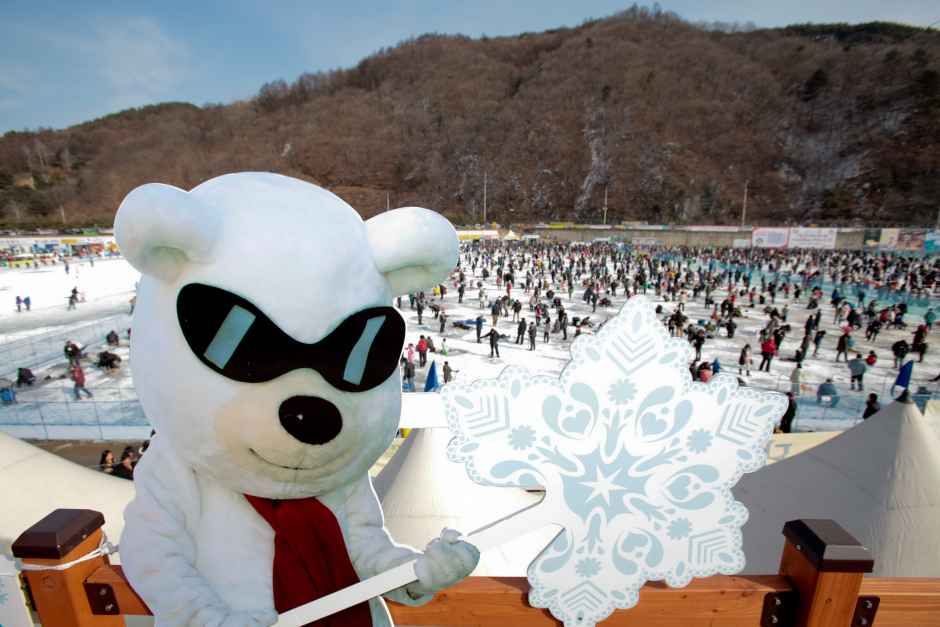
Winter is also the season the city fills with light festivals and ice rinks, and the events listing carries them as they are announced.
One practical note for planning: mountain trails close for fire season from 1 November to 15 December, so a winter hike needs the dates checked first. The hiking guide covers that.
Check the forecast the night before rather than trusting the monthly average. The difference between an ordinary January day and a cold-wave morning is about seven degrees, and it changes what you put on.