Busan is the trip that fixes the “Korea is just Seoul” itinerary, and it has never been cheaper to reach: since the Korail-SR merger on 1 September 2026, the KTX runs Seoul to Busan for 54,400 won — a fare cut of roughly ten percent — in about two and a half hours, now from Suseo as well as Seoul Station. How to buy the ticket without a Korean card is its own guide.
The city splits neatly into two days: the working harbour and hills of the west, the beach-and-tower skyline of the east. And if your dates are flexible, aim at October — the reason is at the bottom.
Day one: the west side
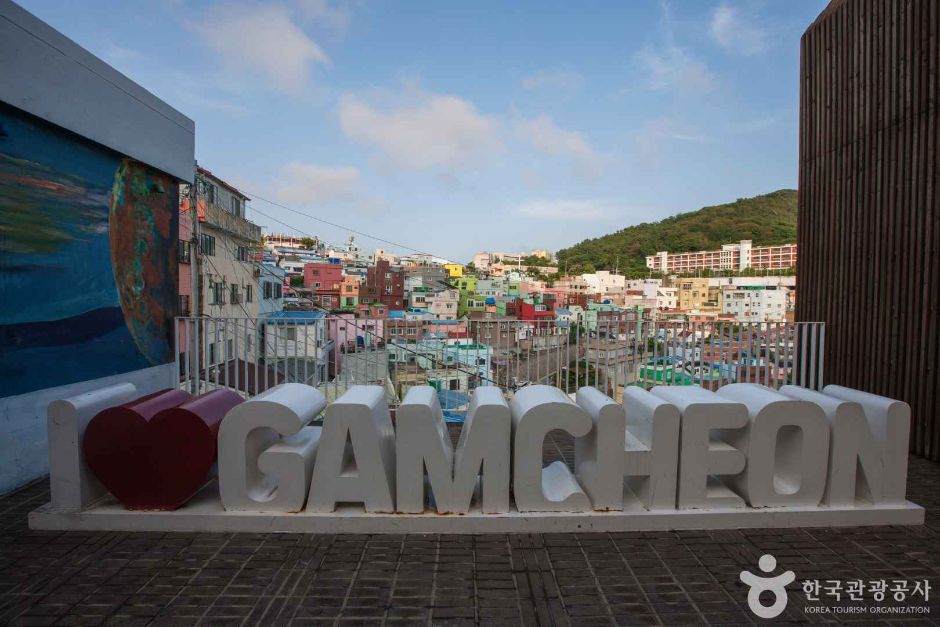
감천문화마을 (Gamcheon Culture Village) is the postcard: a staircase of pastel houses stacked on a coastal hillside, built by Korean War refugees and now threaded with murals and cafes. It is an open neighbourhood, walkable around the clock, and the morning light beats the afternoon crowds. A guided full-day version exists at about USD 21 if you want the history narrated; hanbok rental has reached here too, at about USD 16.
From Gamcheon, drop to the coast for the Busan Air Cruise — the Songdo marine cable car, 39 cabins crossing the sea above Korea’s oldest public beach, the glass-floored “crystal” cabins being the ones to queue for. About USD 12. End the day south at 태종대 (Taejongdae), the cliffed coast of sea caves and Cretaceous rock layers, or back at the 자갈치 (Jagalchi) fish market quarter, where a harbour cruise boards at about USD 18 and dinner is whatever was swimming that morning.
Day two: the east side
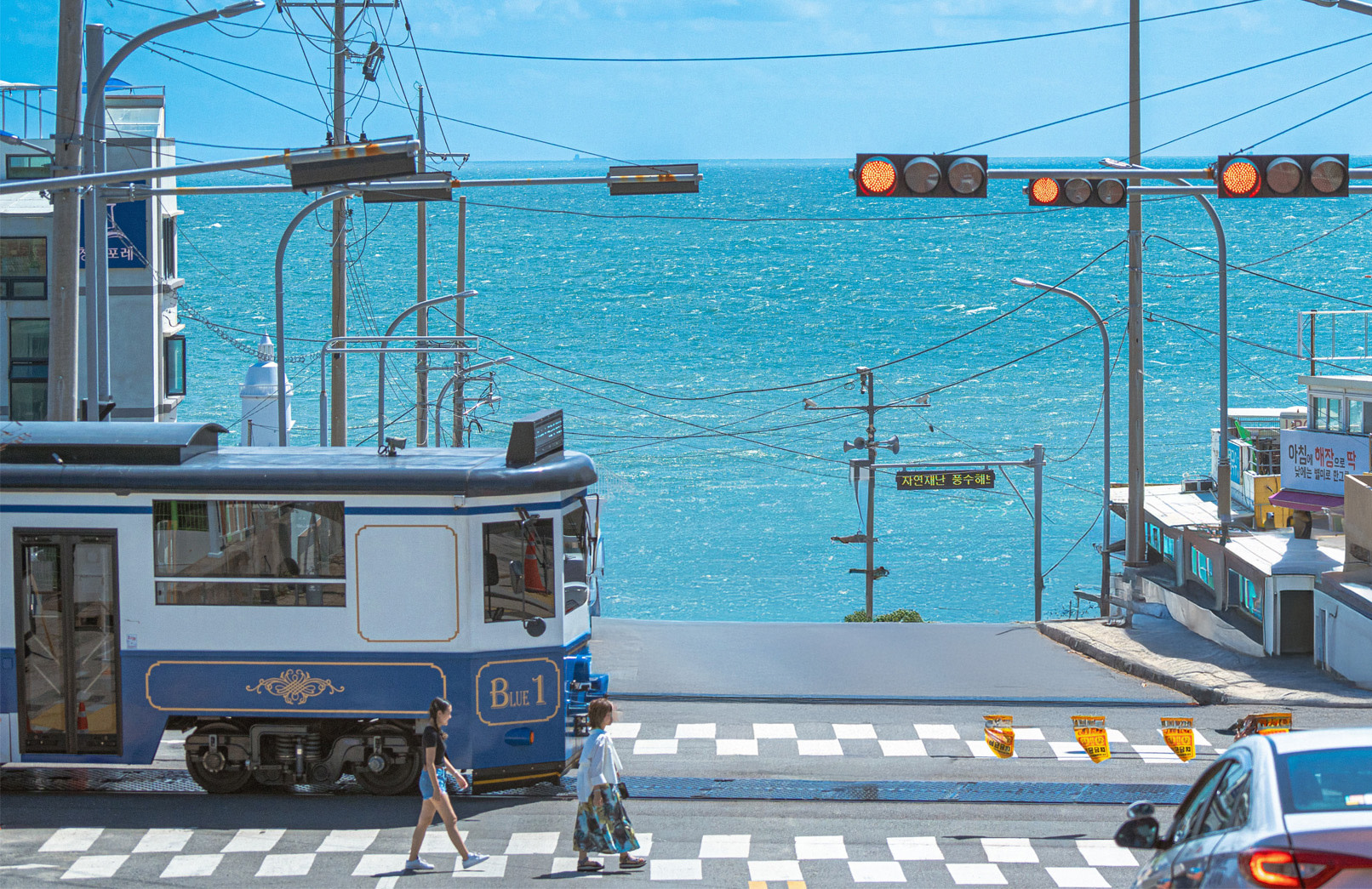
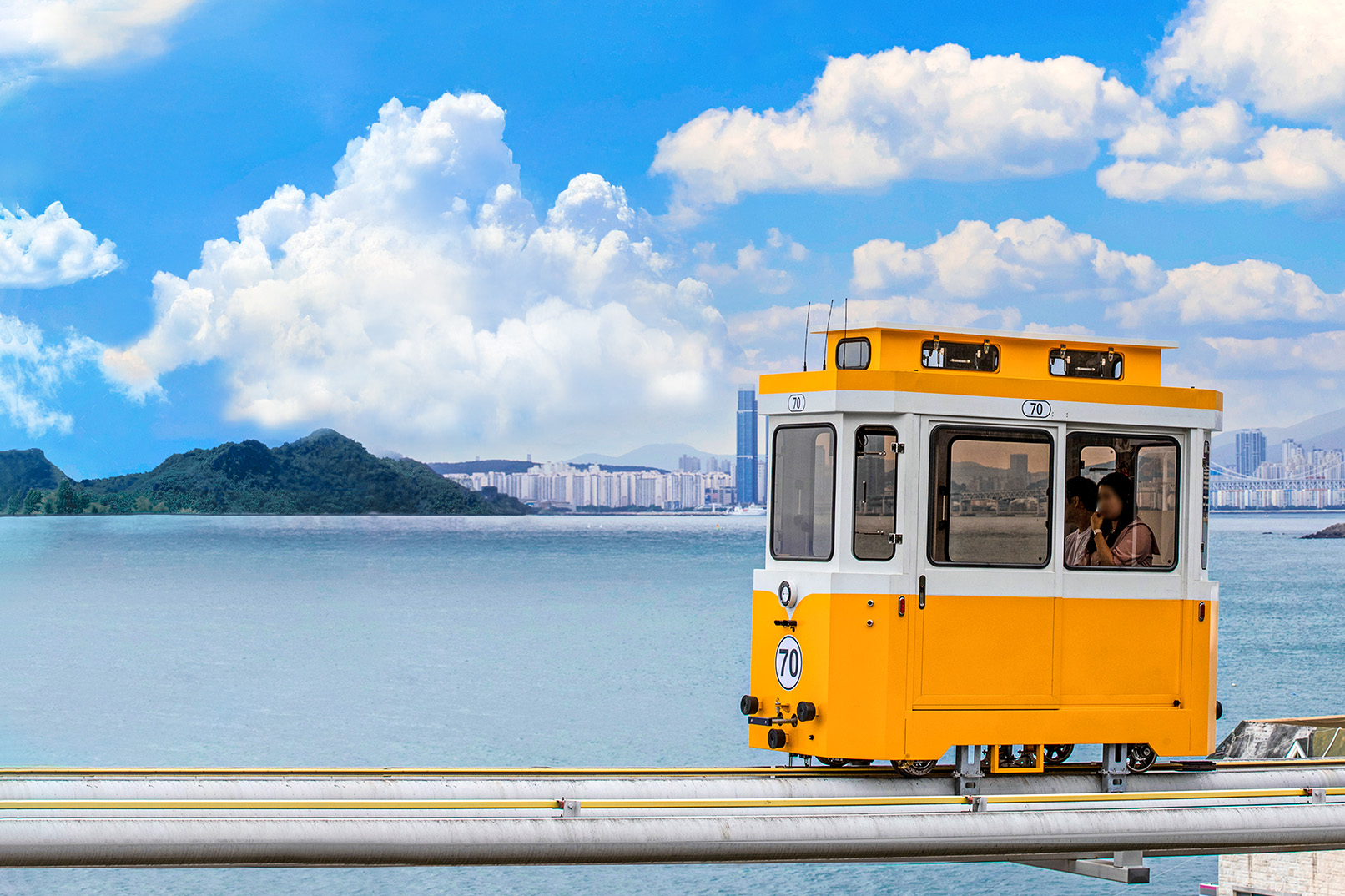
Start at 해운대 (Haeundae Beach), the country’s most famous 1.5 kilometres of sand, then ride what has become Busan’s signature booking: the Blueline Park Sky Capsule, private four-seat capsules rolling above the shore along 4.8 kilometres of the old Donghae Nambu railway from Mipo toward Cheongsapo and Songjeong. Vouchers from about USD 7 — and this is the one to reserve days ahead, because weekend walk-ups evaporate.
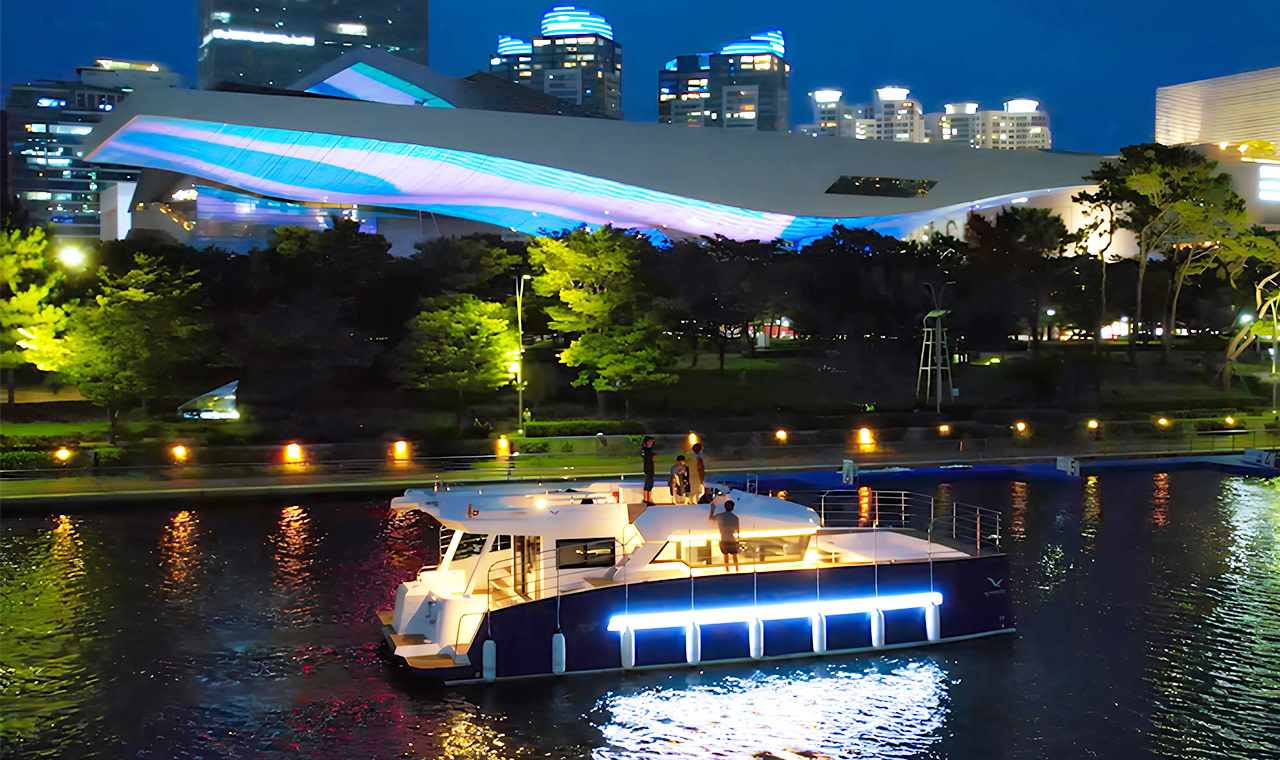
Back at the beach’s west end, BUSAN X the SKY stacks Korea’s largest observatory into the country’s second-tallest building — 411.6 metres, sea on one side and city on the other, 10:00 to 21:00, about USD 17. Then finish at 광안리 (Gwangalli Beach) after dark, facing the Gwangandaegyo Bridge: 7.4 kilometres, the longest two-deck bridge over the sea in Korea, and the light show that explains why every yacht tour in the catalogue (about USD 18) points its bow here at sunset.
Why October, specifically
This autumn Busan runs a month-long relay. The Busan International Rock Festival opens it, 2–4 October. The 31st Busan International Film Festival — Asia’s biggest — takes over the Cinema Center and Haeundae from 6 to 15 October, and its outdoor screenings and open stages spill far beyond the ticketed halls. The Dongnae fortress festival re-enacts its history 16–18 October. Then, after a breath, the Busan Fireworks Festival fills the sky over Gwangalli on 7 November — the city’s single biggest night, when the beach-facing rooms sell out weeks ahead. Whatever is on during your exact dates sits in the live Busan calendar.
Baseball deserves its own line: the KBO regular season runs to 7 October, and if the Lotte Giants are home at Sajik while you are in town, the crowd is the attraction — how to get tickets is covered here.
The practical shape
The subway reaches almost everything above — Gamcheon being the exception, a short bus or taxi hop from Toseong station — and the same T-money card from Seoul works on all of it. Distances are bigger than they look: west-side and east-side sights are 40 minutes apart, which is exactly why the two-day split follows geography. Stay in Haeundae or Gwangalli for the beaches, Seomyeon for the middle, Nampo for the market-and-Gamcheon side.
Sight details and hours are from the Korea Tourism Organization’s official listings; festival dates from each festival’s own site; the KTX fare from the ministry’s September 2026 merger announcement; prices from the Klook catalogue as of 1 September 2026. All checked 7 September 2026.