Jeju is the trip Koreans take when they want to leave Korea without a passport, and the logistics start simple: you fly, about an hour from Seoul’s Gimpo airport on the busiest air route on Earth. No rail, no bridge, no ferry worth your time.
What has changed — and what most write-ups have not caught up with — is that the island’s headline sights now run on reservations and reopenings. Both are worth getting right before you land.
The two rule changes that matter
Hallasan’s summit is a ticket now. Korea’s highest mountain caps its two summit trails: Seongpanak at 1,000 hikers a day, Gwaneumsa at 500, reserved on the official Visit Halla system, which runs in English. Since April 2025 the caps apply only to the upper stretches — you can walk Seongpanak’s first 7.3 kilometres to the Jindallaebat shelter without booking — but if the crater lake is the point, book the slot when you book the flight. The no-reservation alternative is the 영실 (Yeongsil) trail: 5.8 kilometres, about two and a half hours up, and by KTO’s own description the most scenic short course on the mountain. Winter hiking hours start pre-dawn and close entry by noon.
만장굴 (Manjanggul) is open again — since 30 May 2026. The UNESCO-listed lava tube, part of the Geomunoreum system with passages up to 25 metres high, closed after a rockfall in December 2023 and stayed shut for two and a half years. It reopened this spring with the safety work done — 09:00 to 18:00, last entry 17:10. Any guide still calling it closed was written before June.
East loop: the volcano’s showpieces
성산일출봉 (Seongsan Ilchulbong), the UNESCO tuff cone that rose from the sea 5,000 years ago, is the island’s sunrise ritual — gates open before dawn (04:30 in summer, 05:00 in the shoulder seasons). Next door, the 섭지코지 (Seopjikoji) cape walk; offshore, a short ferry reaches 우도 (Udo), where Seobinbaeksa beach glows in colours the mainland does not produce — it is one of the world’s rare red-algae-nodule beaches. Manjanggul slots into this loop, and so does the haenyeo side of the island: the free-diving women whose culture holds UNESCO intangible-heritage status since 2016, with the museum at Hado and a catalogue experience alongside actual divers at about USD 24.
West and south: beaches, gardens, waterfalls
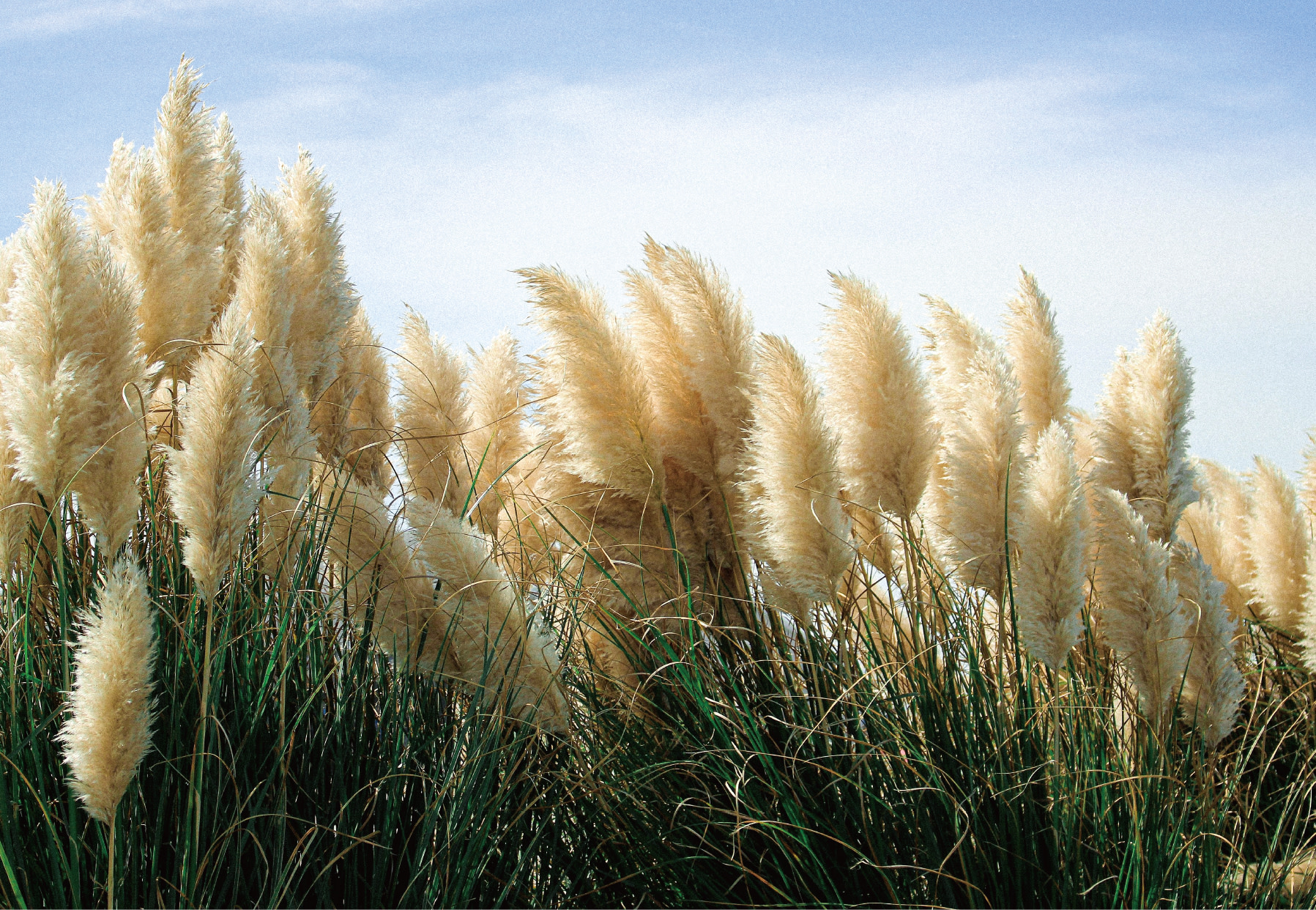
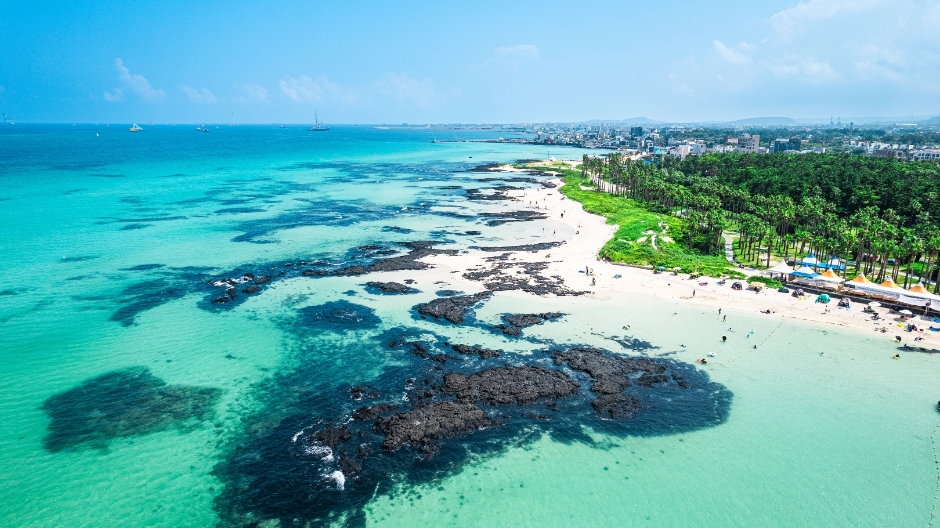
협재 (Hyeopjae Beach) is the cover photo of this page for a reason — white sand into emerald shallows against black lava rock, with Hallim Park’s caves and gardens next door at about USD 11. The interior and south hold the paid-garden belt — Camellia Hill at about USD 7, the Spirited Garden’s bonsai at USD 9 — and 천지연폭포 (Cheonjiyeon Falls) in Seogwipo, open and lit until 22:00, the rare sight that works after dinner. The island’s activity tier is genuinely deep in the catalogue: gravity-kart racing at 9.81 Park (~USD 25), the Bunker des Lumières immersive gallery (~USD 14), tangerine karts, ATVs, a hanbok-and-photo scene — Jeju is where Korea does organised fun, and it prices at pocket-money levels.
Without a car
The honest caveat: renting a car — the default Korean way to do Jeju — requires an International Driving Permit, arranged in your home country before the trip. No IDP, no keys, no exceptions. The workable alternatives are the island’s buses (comprehensive but slow), taxis for short hops, and the day-tour circuit, which is better developed here than anywhere else in Korea precisely because of this rule. Walkers have a parallel universe: the Olle trail network rings the island, and its walking festival runs 5–7 November this year.
Whatever is happening on the island during your dates — festivals, exhibitions, markets — sits in the live Jeju calendar.
Hallasan quotas and booking rules are from the official Visit Halla system and dated Korean press on the April 2025 change; the Manjanggul reopening from the World Natural Heritage office and news of 29–30 May 2026; sight details and hours from KTO’s official listings; prices from the Klook catalogue of 1 September 2026. All checked 7 September 2026.