Your card is fine. You walked up to a bank’s own machine, and Korean bank machines mostly talk only to Korean banks. The machines that talk to yours are marked Global ATM and they are in nearly every convenience store in the country, open all night.
There is one screen to read carefully and one button to refuse, and after that the only decision is how much to take out at once.
Where the working machines are
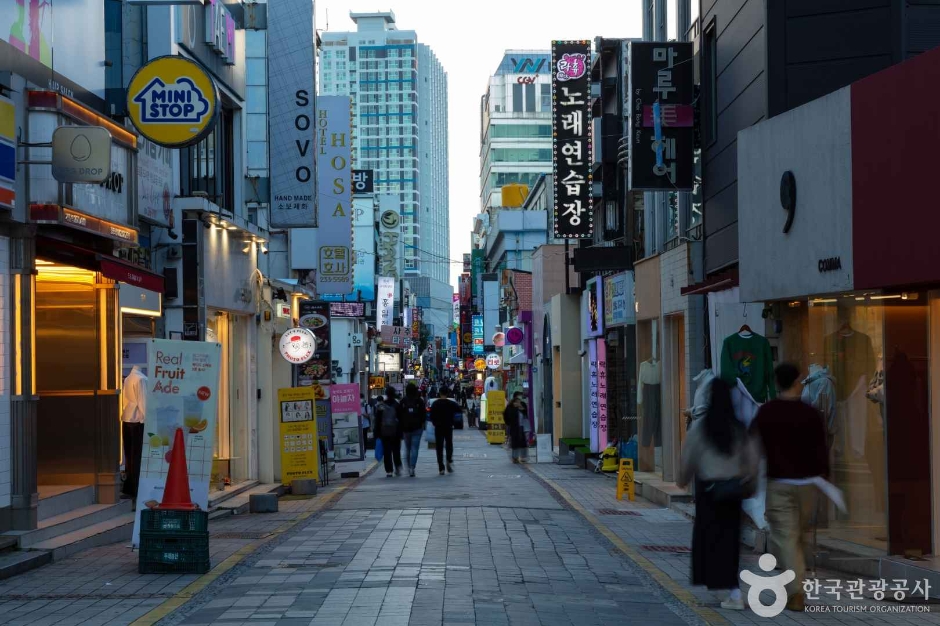
Look for the words Global ATM on the machine, and Visa, Mastercard and UnionPay logos on the front. Convenience stores are the reliable place: CU, GS25, 7-Eleven and Emart24 all host them, and a Korean street rarely goes two hundred metres without one of those shops. The big banks, Woori, KB Kookmin, Shinhan and Hana, run Global ATMs in their branches too, with the difference that branches keep hours and convenience stores do not.
A machine without the mark will read your card, think, and hand it back. Nothing is wrong with the card. Walk to the next shop.
The two fees
Every withdrawal on a foreign card costs twice: once to the Korean machine and once to your own bank.
The Korean side is shown on screen as a flat amount before you confirm, and you can cancel there at no cost. We could not find the figure published on any operator’s page, so read the screen. Visitors’ reports through August 2026 put convenience-store machines around 3,000 to 4,000 won a withdrawal and bank machines a little under that.
Your own bank’s side is whatever it charges for a foreign cash withdrawal, often a percentage plus a fixed sum, and it is the larger of the two for most people. Both fees are per withdrawal, not per won, so one withdrawal of 300,000 won costs you a lot less than three of 100,000.
The button to refuse
Near the end, some machines offer to charge you in your own currency instead of won, showing a rate that looks helpfully final. Decline it. That is dynamic currency conversion, the rate inside it is set by the machine’s operator, and it is worse than the rate your own bank will give you if you simply take won. Choose the option that says KRW, or “without conversion”, every time.
Why a working card still fails
Three reasons account for most of it.
The PIN. Korean machines expect four digits. If your bank gave you a six-digit PIN, some machines refuse it outright and others accept only the first four, which fails. Ask your bank for a four-digit PIN before travelling if your card has a longer one.
The chip. Magnetic-stripe-only cards are not read. Any card issued in the last few years has a chip.
The limit. Machines cap each withdrawal, and the cap differs by operator; when the amount you asked for is refused, try a smaller one before assuming the card is blocked. Your own bank’s daily foreign limit applies on top.
If all three are fine and the machine still declines, it is usually your bank’s fraud filter reacting to a first withdrawal in Korea. The same call you make before booking tickets, described in the foreign card guide, prevents it.
How much to take out
Less than you are planning. Cards are accepted in shops, restaurants, cafés, taxis and convenience stores, and the subway and buses run on a T-money card that you load with cash once. What actually needs won: traditional markets and street food, some small restaurants, the locker at the station, the airport bus at Terminal 1, and topping up that T-money card.
For a week that is rarely more than a couple of hundred thousand won, which is one withdrawal. Taking it in one go is the cheapest thing on this page.
If you would rather not use an ATM at all
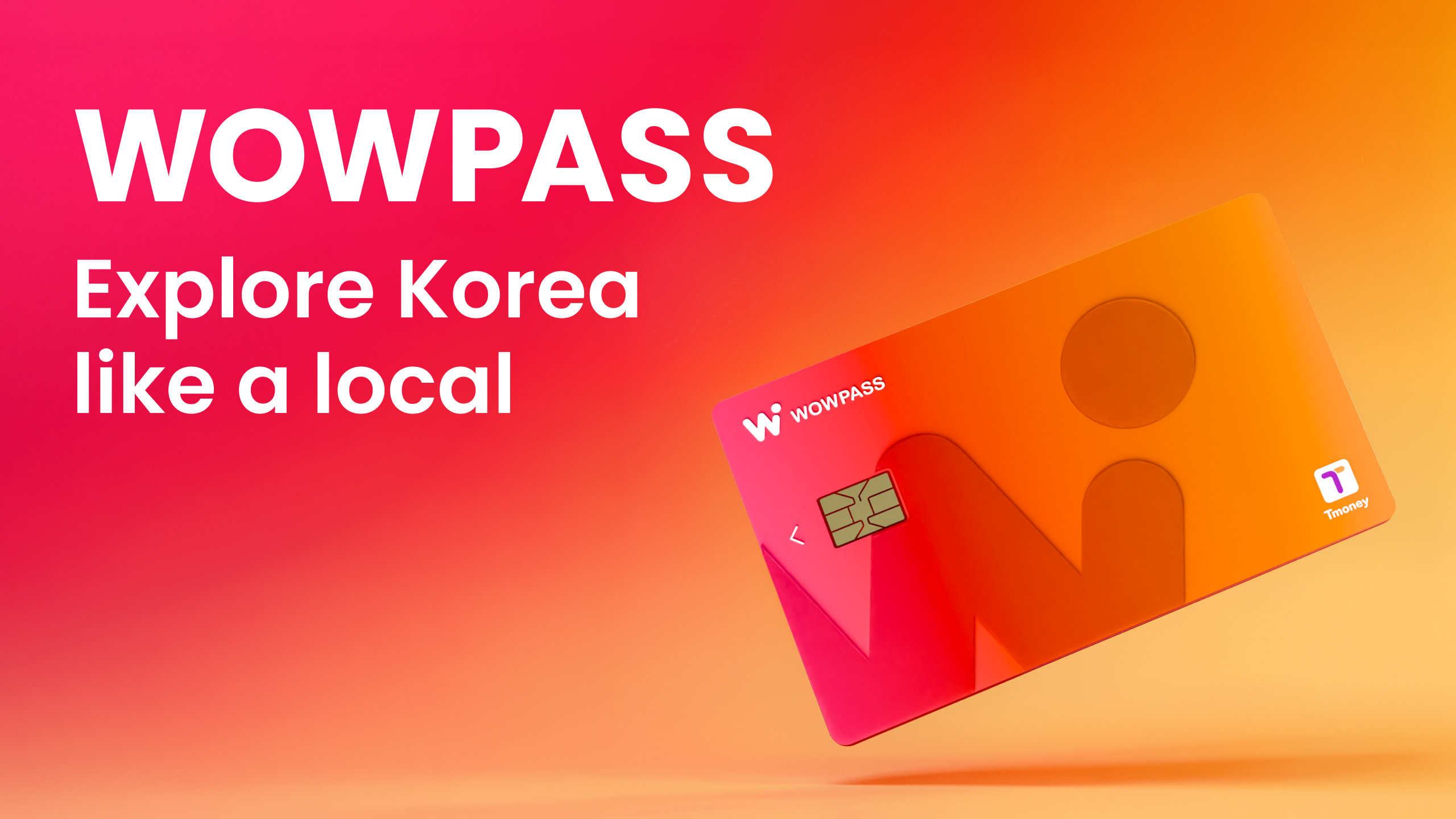
Two alternatives take banknotes instead of your bank’s cooperation. WOWPASS machines in major stations and tourist areas exchange foreign cash onto a prepaid card that pays in shops, with the wrinkle explained in the WOWPASS guide. And the licensed exchange counters in Myeongdong and around Seoul Station change cash at rates that are often better than the airport’s.
Change a little at the airport for the first day if you land without won, and do the rest in town.