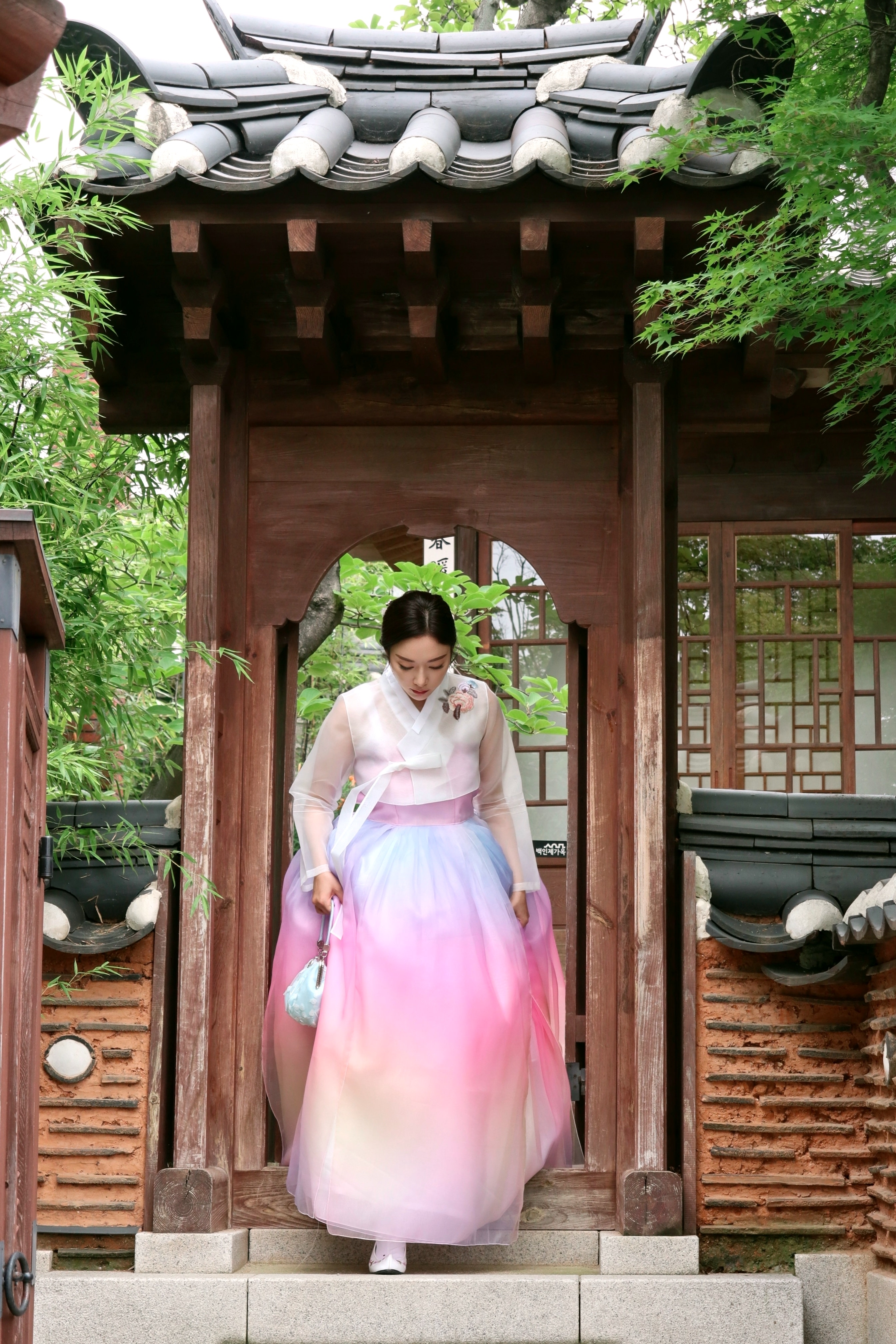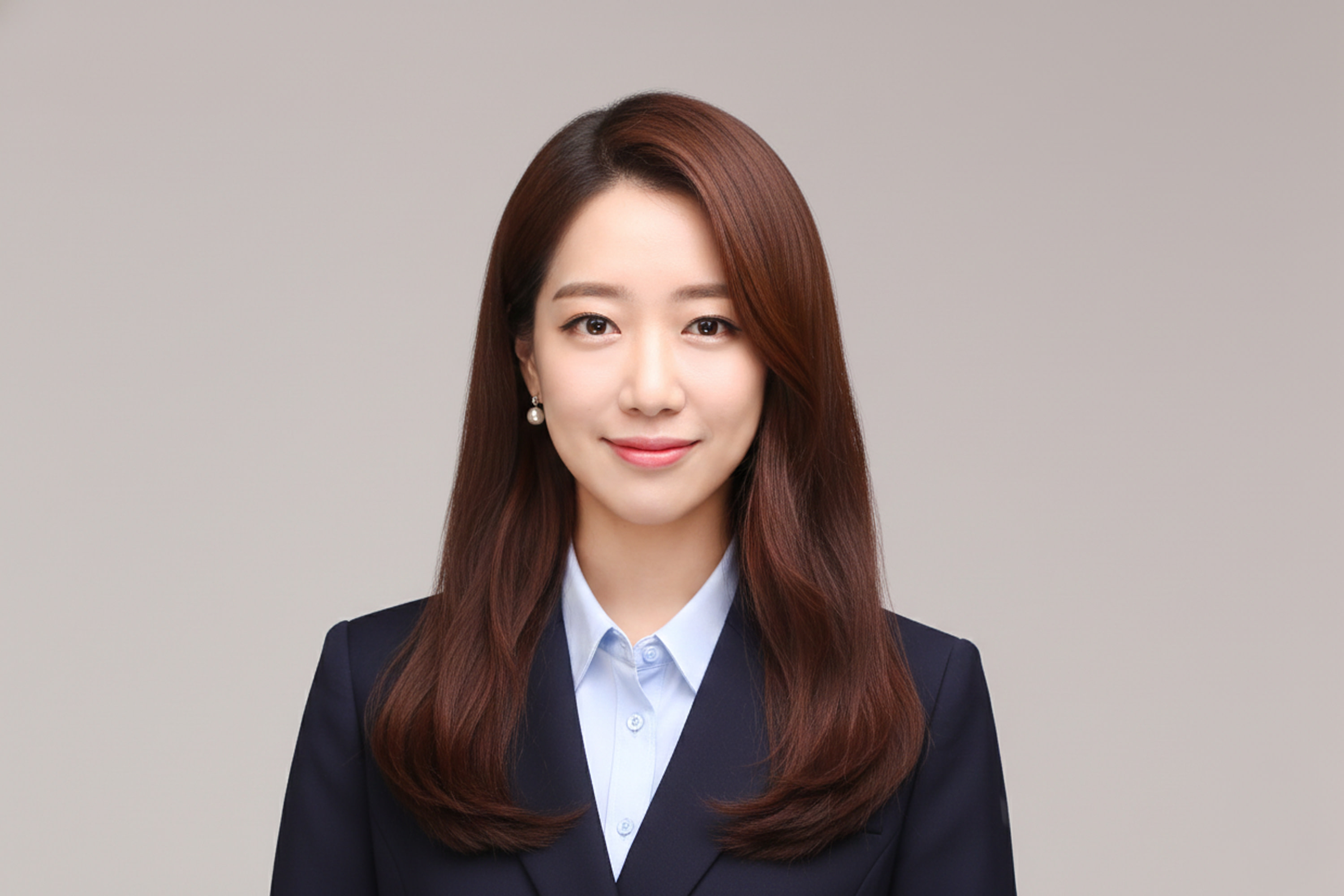
Somewhere between the airport and the flight home, a lot of visitors to Korea end up in front of a camera on purpose. Not a phone selfie — a booth, a rented studio, or a salon chair with someone doing your hair first. It has become one of the things people come here to do, and the reason is a shift Korean coverage noticed in 2026: foreign visitors moved from consuming K-content to doing ordinary Korean things — booking a photo studio, taking four-cut photos, ordering delivery food, queueing for a Seongsu pop-up — as a way of travelling like a local rather than watching from outside.
The whole thing is a price ladder, and every rung is worth knowing before you pick one.
Rung one: the four-cut booth
The booths are everywhere — shopping streets, mall corners, subway underpasses — and the best-known chain gave the format its name: 인생네컷 (insaeng-nekeot, “life four cuts”). You go in, the machine counts down, you pose four times, and a printed strip comes out of the slot. A basic session runs about 4,000 to 6,000 won, and picking a special frame adds roughly 1,000 to 3,000 on top.
The frames are the part outsiders miss. Chains run collaborations with K-pop groups — NewJeans, Seventeen, aespa and Le Sserafim have all had exclusive frames — and they rotate, so fans hunt a specific one while it exists. The Korea Tourism Organization has run limited K-photo frames with a booth chain as well. If a particular frame is the point, find out which branch has it before you walk.
Rung two: the self-studio
One step up, you rent the room instead of the booth. A self-studio gives you studio lighting, a backdrop, a remote shutter and no photographer — you shoot yourself for a booked slot and leave with the files. In the catalogue that is about USD 26 for a Hongdae studio session, or around USD 33 for a recorded self profile shoot.
There is also the very Korean errand that became a tourist activity: the ID photo studio, where 증명사진 (jeungmyeong-sajin, the passport-style portrait Koreans need constantly) is shot and retouched properly. About USD 26, and the results are unreasonably good for what it is.
Rung three: someone else does your hair
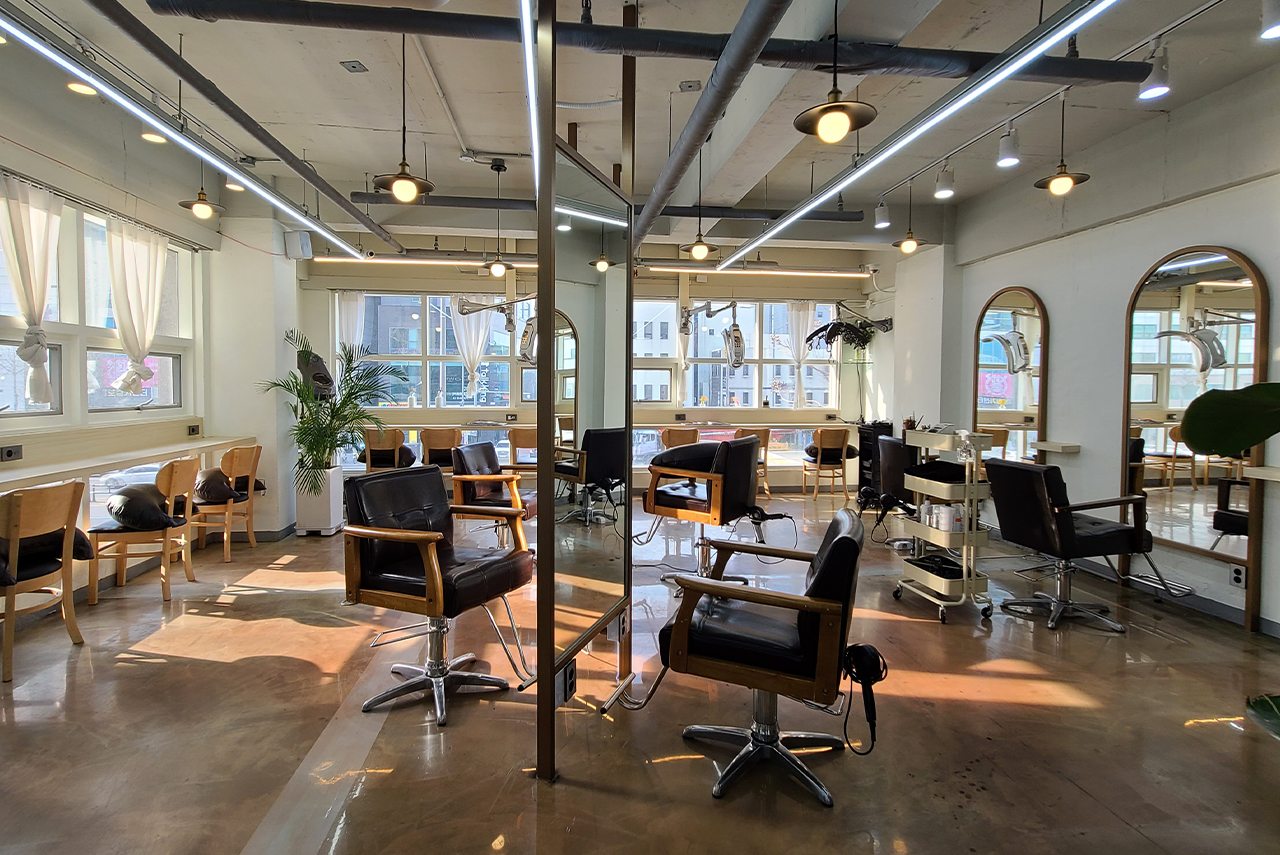
This is where Korea’s actual specialism starts. Salons across Hongdae, Myeongdong, Cheongdam and Apgujeong sell styling sessions to visitors — hair and makeup done the way Korean television does it, with no haircut involved. The catalogue’s ladder runs roughly USD 29 to 61, rising with the district: Hongdae at the bottom, Cheongdam and Apgujeong at the top. Add a K-style photo shoot with optional hair and makeup at about USD 24 and you have the standard pairing.
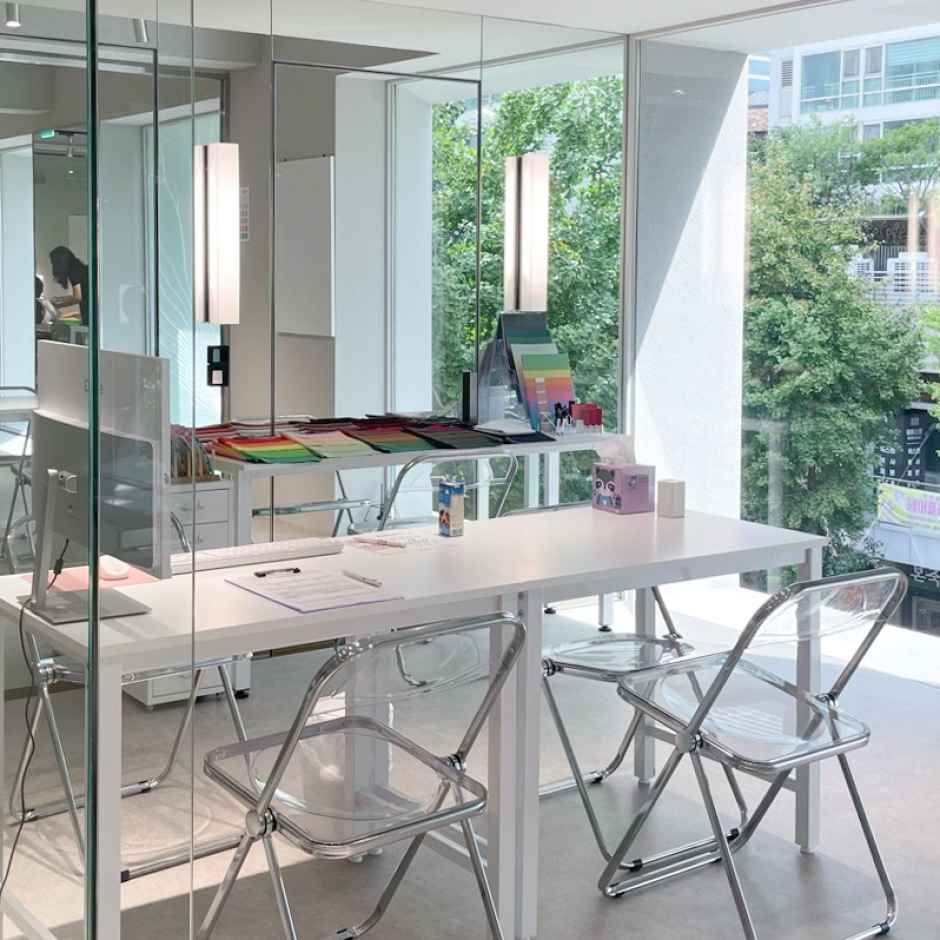
The other thing to book here is personal colour analysis — a Korean speciality that visitors now plan trips around. A consultant reads your skin tone using colour drapes and hands you the palette that suits you, which then governs your shopping for the rest of the trip. The Cocory studios in Hongdae and Myeongdong run it by reservation, with programmes of roughly 60 to 120 minutes. Reserve; these are not walk-ins.
Rung four: the idol day
At the top, the packages stop pretending to be haircuts. A K-pop dance class runs about USD 42 for a one-day Hongdae session, about USD 56 with video shooting and editing, and up to USD 201 for dance plus vocal training. Idol hair salons in Gangnam sit around USD 138, hair extensions higher again, and the full idol day — hair, makeup and a photoshoot — lands near USD 424.
Whether that is absurd depends entirely on why you came. For a fan on a once-in-a- decade trip it is the day they remember; for everyone else, rung one costs four thousand won and produces a strip of photos that will outlive the trip anyway.
Practical notes
Book the styling and colour sessions before you fly — the visitor-facing ones run on reservations and fill up, and the booking platforms handle English while many salon phone lines do not. Bring or plan an outfit: styling shoots photograph you from the shoulders up, so what you wear on top matters more than you expect. And leave time — a styling-plus-shoot afternoon is three to four hours, not one.
If your styled day is meant for the palace photographs, do it in the right order: hair and makeup first, then rent the hanbok near the gate. And if you want the haircut rather than the styling, that is a different guide with a different set of rules.
Booth prices and the collaboration-frame practice come from Korean coverage of the photo-booth market; the colour-analysis studios’ reservation system and programme length from the Korea Tourism Organization’s listings; studio, styling, class and package prices from the Klook catalogue. Checked 7 September 2026. Salon prices move with the district and the stylist — the figures here are the catalogue’s, not a quote.