The DMZ is the one day trip from Seoul you cannot improvise. Everything you have seen photos of — the tunnel, the observatory looking into North Korea — sits beyond the Civilian Control Line, where, in the Korea Tourism Organization’s own words, individual visits are not allowed. You go with a tour, and a tour costs about USD 45–68 from Seoul.
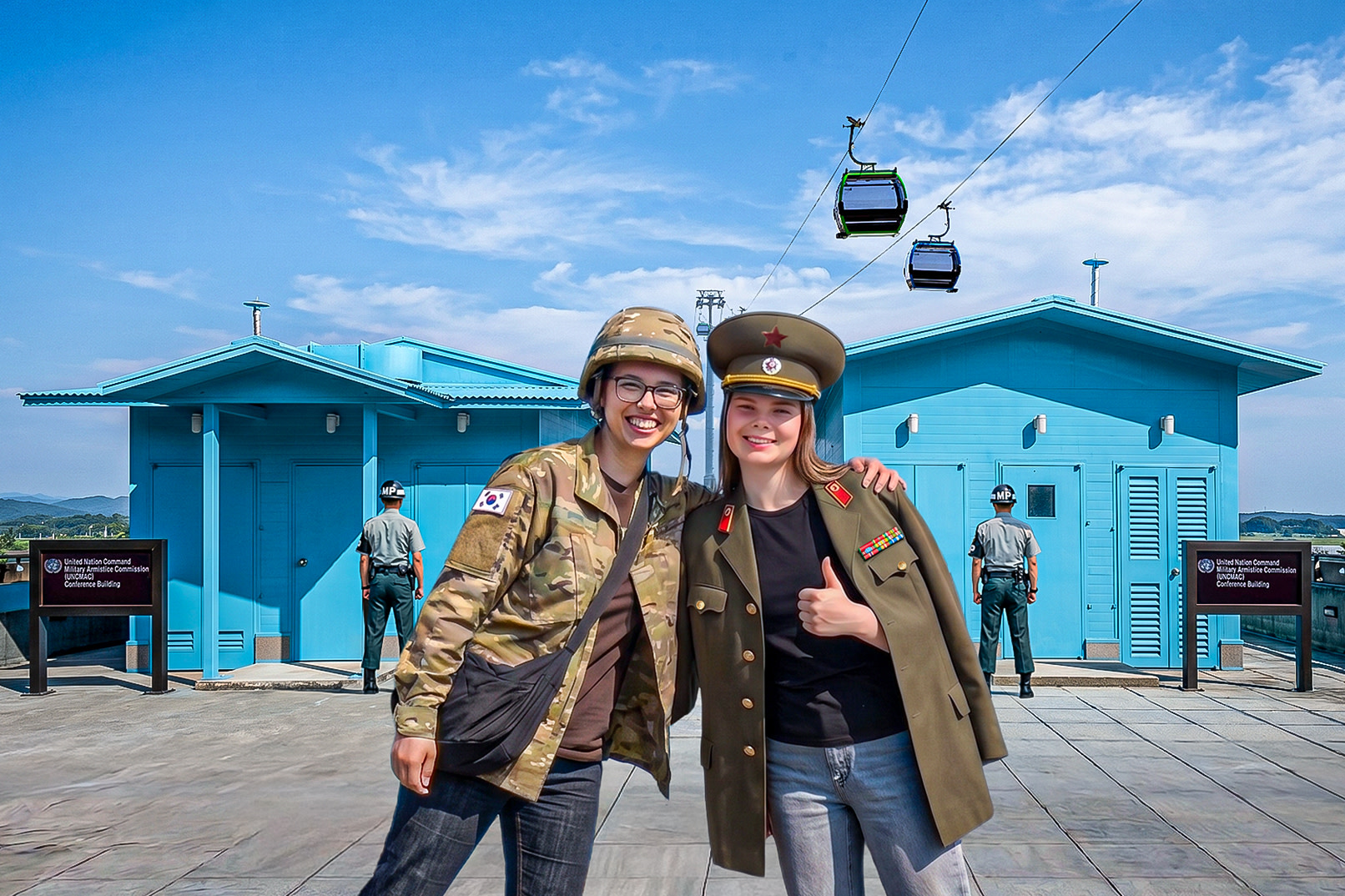
What the listings will not tell you plainly: Panmunjom’s blue huts are not part of any of them. That story is below, with dates, because it is the part everyone asks about and the part most pages get wrong.
The two layers of the border
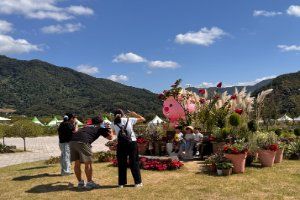
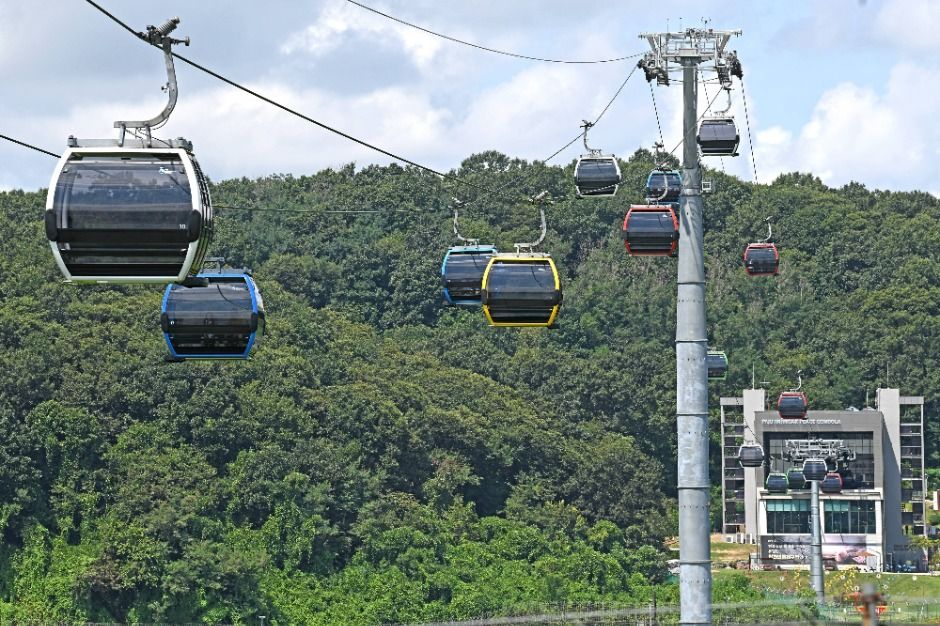
Outside the line: no tour needed. 임진각 (Imjingak), 56 kilometres from Seoul City Hall and 7 from the DMZ itself, is an ordinary — if surreal — tourist park: war memorials, the Freedom Bridge, Pyeonghwa Nuri Park’s art hills, restaurants. Open year-round, free, no checkpoint. From here the Peace Gondola, Korea’s first cable car across the Civilian Control Line, floats you over the Imjin River to the grounds of Camp Greaves, a former US base turned exhibition space. The gondola runs from 9:00 daily (to 18:00 weekdays, 19:00 weekends, last tickets 30 minutes earlier) and rests on the first Monday of March, June, September and December.
Beyond the line: tour or nothing. The 3rd Tunnel — 1.6 kilometres long, two metres wide, dug by the North and found in 1978, close enough to reach Seoul’s outskirts at 52 kilometres — and Dora Observatory, from which you look straight at the North Korean city of Gaeseong and the DMZ village of Daeseong-dong. Both close Mondays. Paju city runs an official shuttle from Imjingak, but its booking site is Korean-only with English “in preparation,” needs a minimum of four participants, and warns of sudden security cancellations — which is exactly why the commercial tour exists.
The Panmunjom story, with dates
The blue conference huts straddling the border line closed to tours in July 2023, after a US soldier bolted across the line during a visit. Tours resumed in limited form in May 2025 — the JSA visitor area, but not the huts — and were suspended again in late October 2025 around the US president’s Korea visit. As of this writing, no regular tour takes foreign visitors into Panmunjom, and the official Panmunjom tour centre’s programme is run for Korean citizens.
So read product names with cold eyes: “JSA Museum,” “JSA area,” “Panmunjom approach” all mean the outer museum and camp area. Blogs claiming “JSA now reopen” are describing the 2025 partial window or hoping. If the huts are the reason you are going, check the official tour centre’s site the week you travel, and assume no.
What the USD 45–68 actually buys
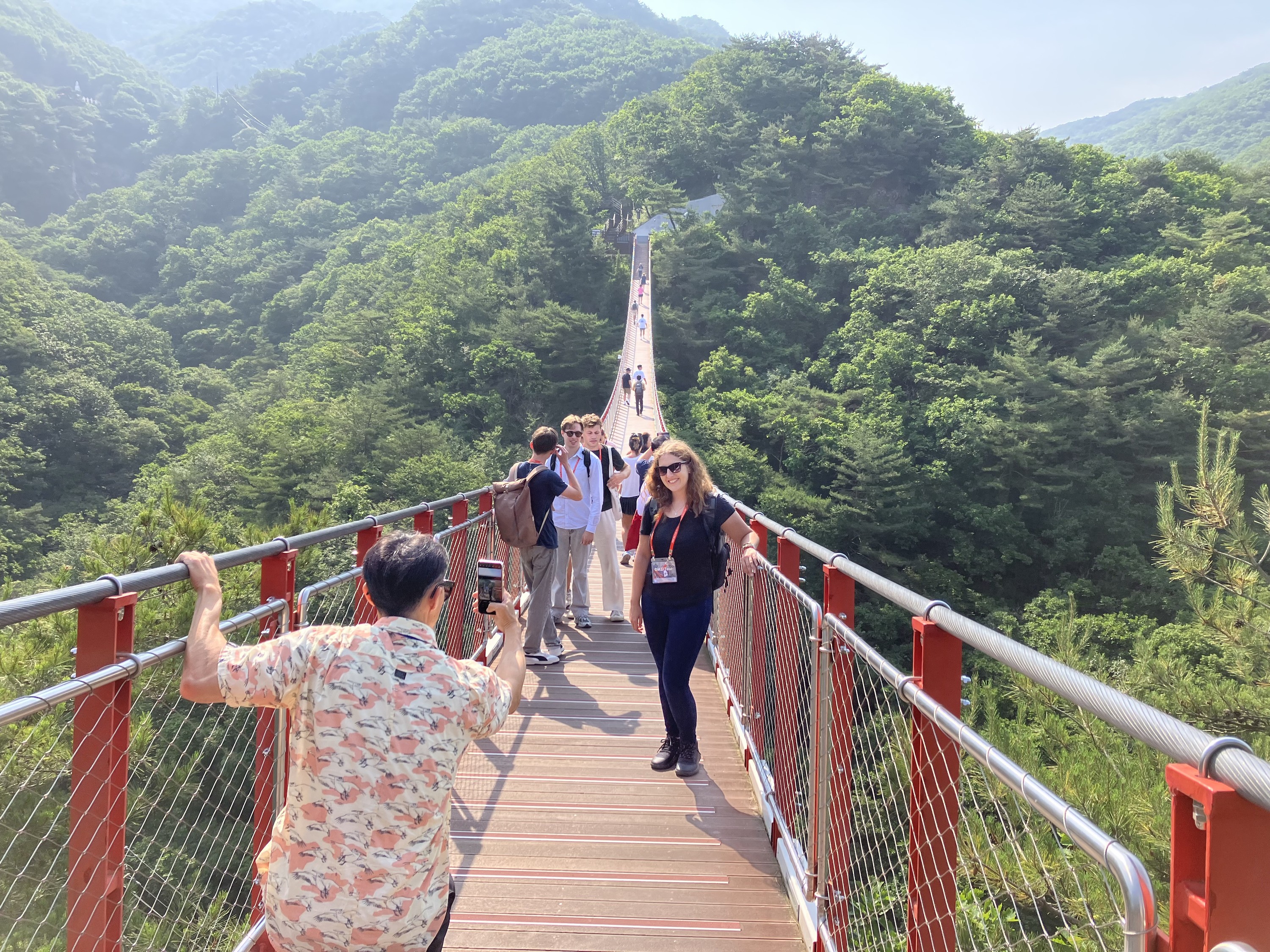
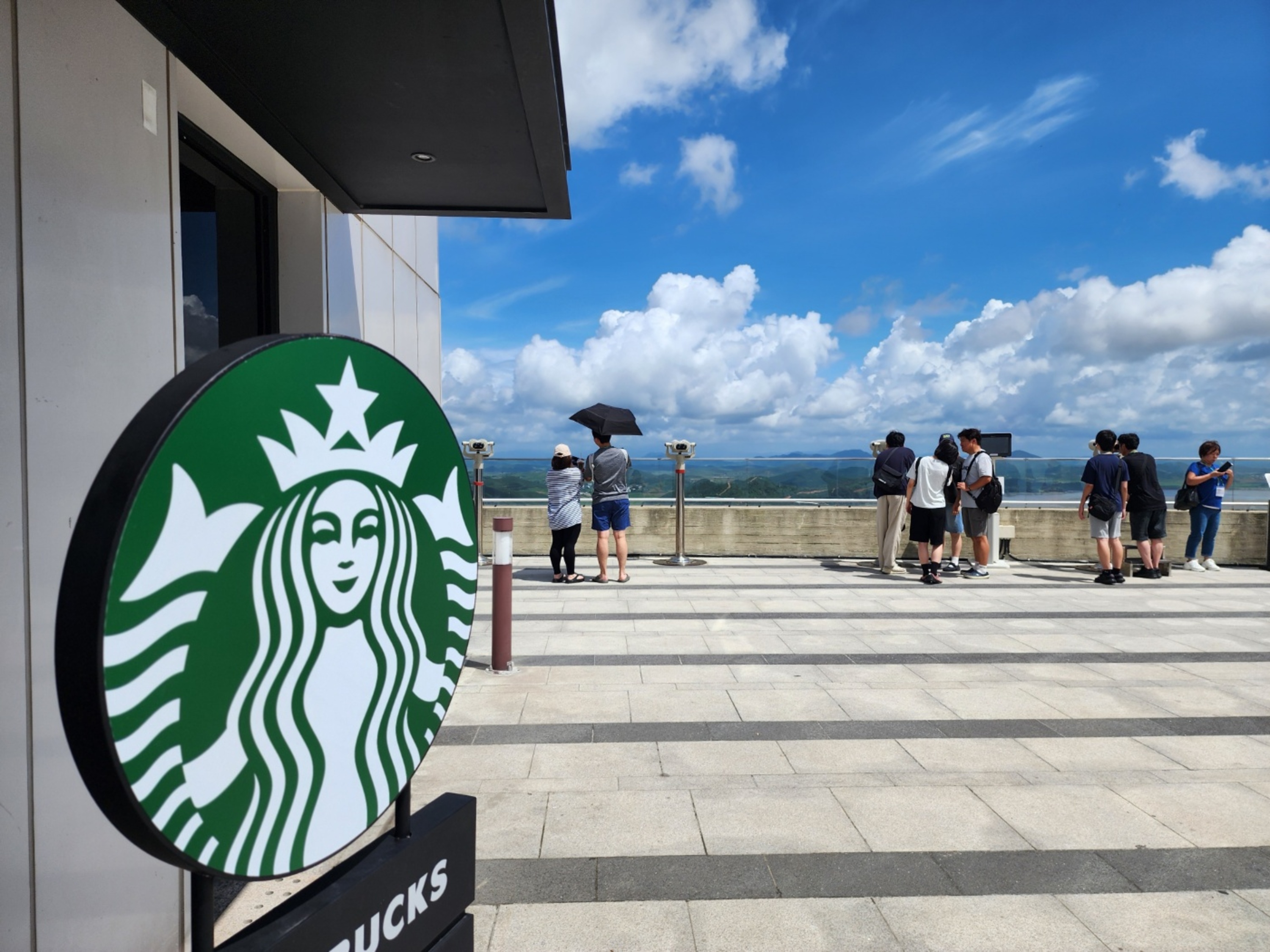
The standard day tour from Seoul bundles Imjingak, the 3rd Tunnel or an observatory, and one or two signature extras. In the current catalogue: the Gamaksan red suspension bridge, a moderated Q&A with a North Korean defector (several operators’ main draw, and genuinely worth it), and lately Aegibong Peace Ecopark in Gimpo — an observatory over the river border that now houses the much-photographed closest Starbucks to North Korea. Aegibong you can also do without a tour, but not casually: the park requires an online reservation and an identity check at the gate.
Half-day tours exist; with the drive each way from Seoul, the full day is the honest format. Hotel pickup from Myeongdong and Hongdae is standard.
The fine print that is actually fine
Bring your physical passport — operators submit details in advance and the checkpoint checks documents on the bus. Dress is normal tourist clothing (the strict dress codes belonged to the Panmunjom tours). And cancellations are a feature of the destination, hence the repeated point: the border area closed for security reasons multiple times between 2023 and 2025. Book a cancellable ticket, put the DMZ early in your trip so a cancelled day can move, and treat a cancellation as part of the story rather than a failure of planning.
One more individual option for rail romantics: Dorasan Station, the last station before the North, rebuilt in 2002 for a reconnection that never came. It can be reached with identity verification via Imjingang Station on limited schedules — the station’s own rules apply, and most visitors see it more simply as a tour stop.
Site facts and closure days are from the Korea Tourism Organization’s official listings; the Panmunjom timeline is from dated news coverage; tour prices are from the Klook catalogue. All checked 5 September 2026. The border is the one destination in Korea where “check again the week you go” is not boilerplate.