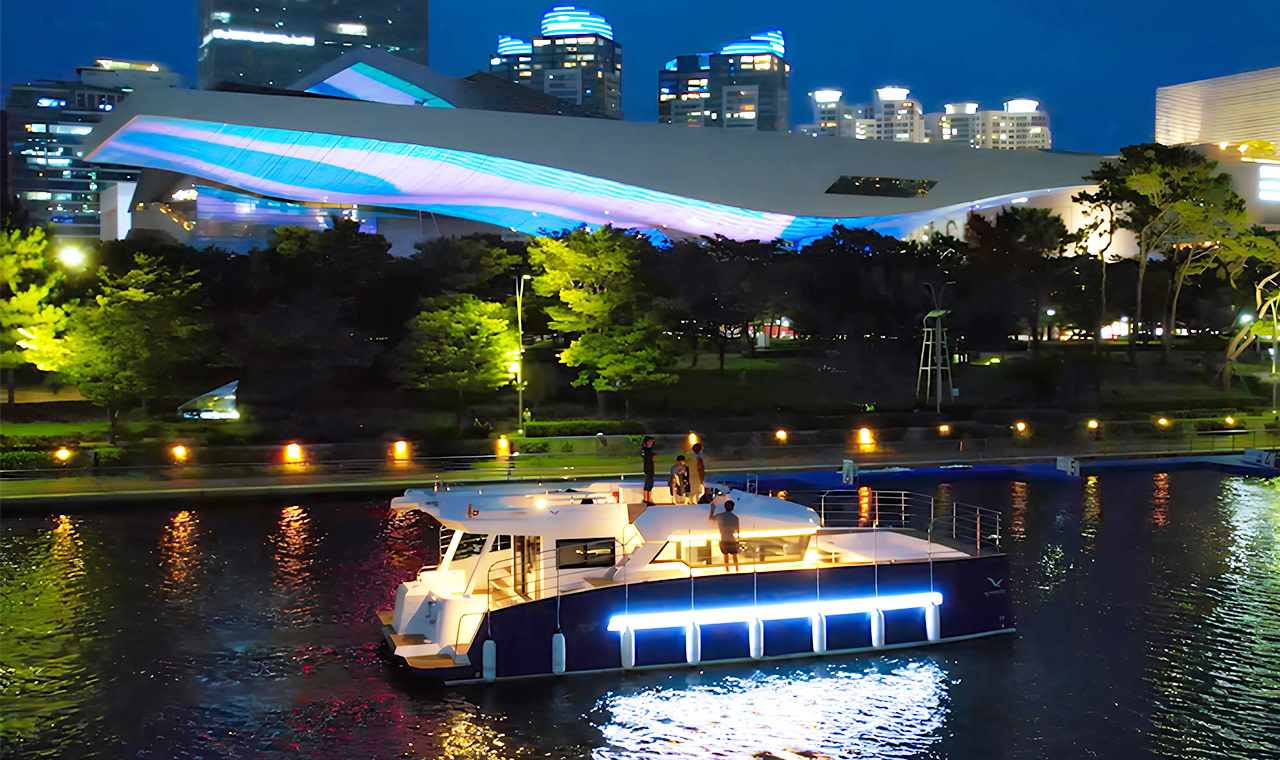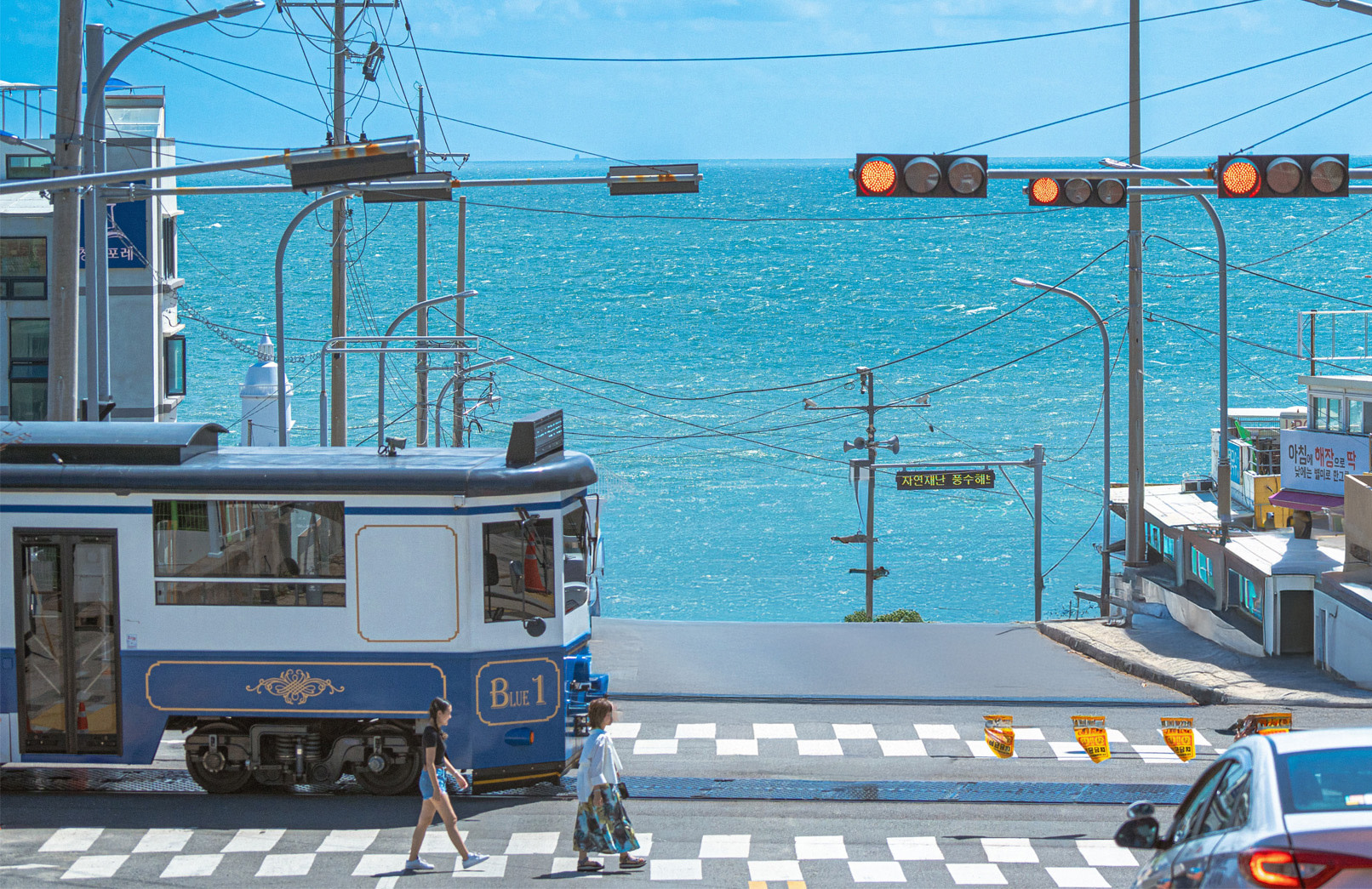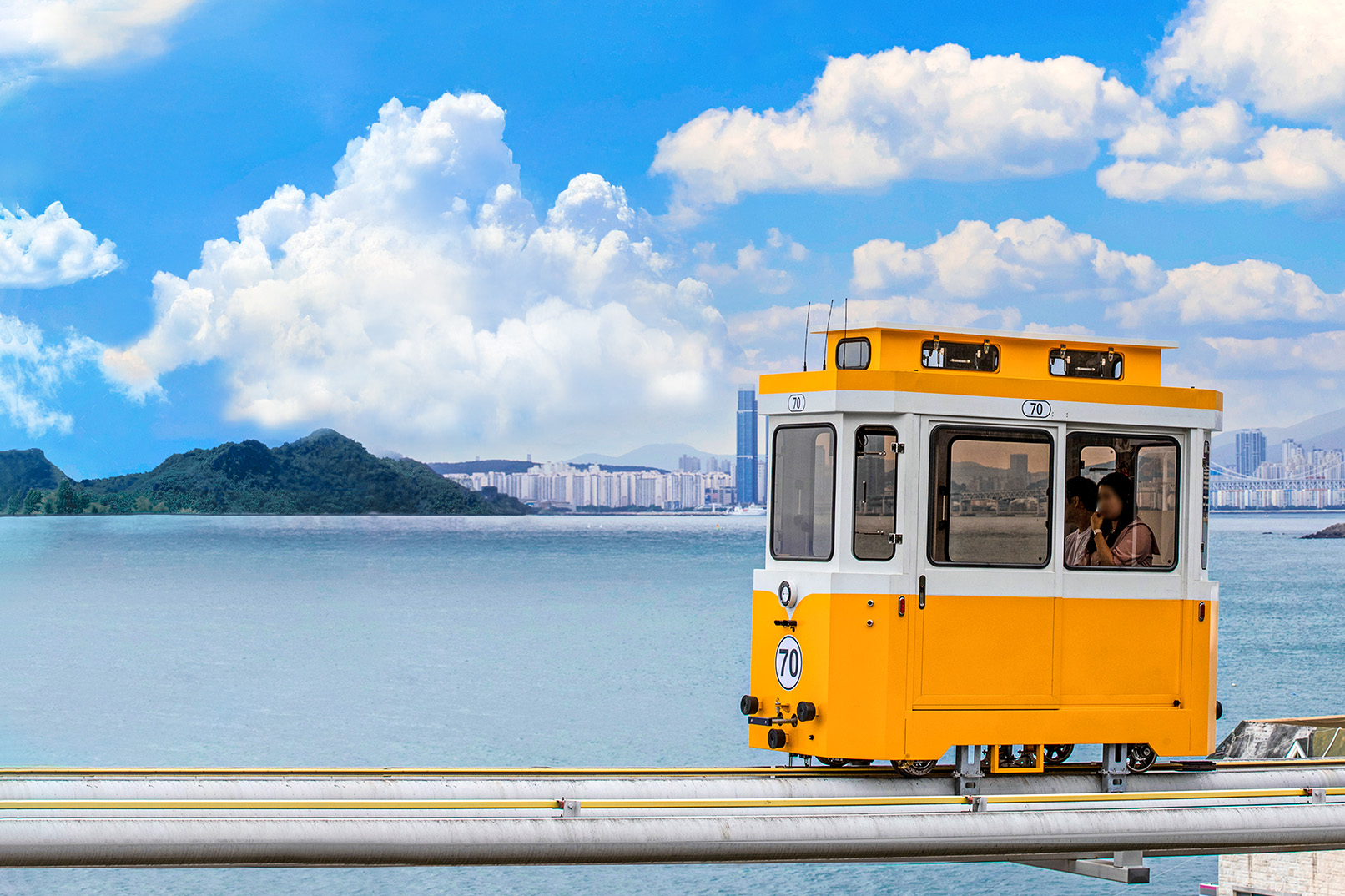
Korea’s largest fireworks display goes up over Busan on Saturday 7 November 2026, and it is over in about an hour.
Before anything else, the detail that costs people their evening: if you have paid for a seat, you must be in it before 18:00. The show does not start until 19:00. Turn up at half past six with a valid ticket and the terms say you get neither entry nor your money back.
The shape of the day
Entry to the paid seating opens at 15:00. The display runs 19:00 to 20:00, about sixty minutes with a ten-minute intermission in the middle.
So a paid seat asks for your late afternoon, not just your evening. Bring something to sit through an hour of dark and cold with, because early November on a Busan beach after sunset is not the Busan of the summer photographs.
Seats, and what they cost
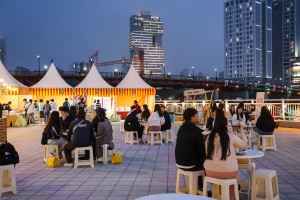
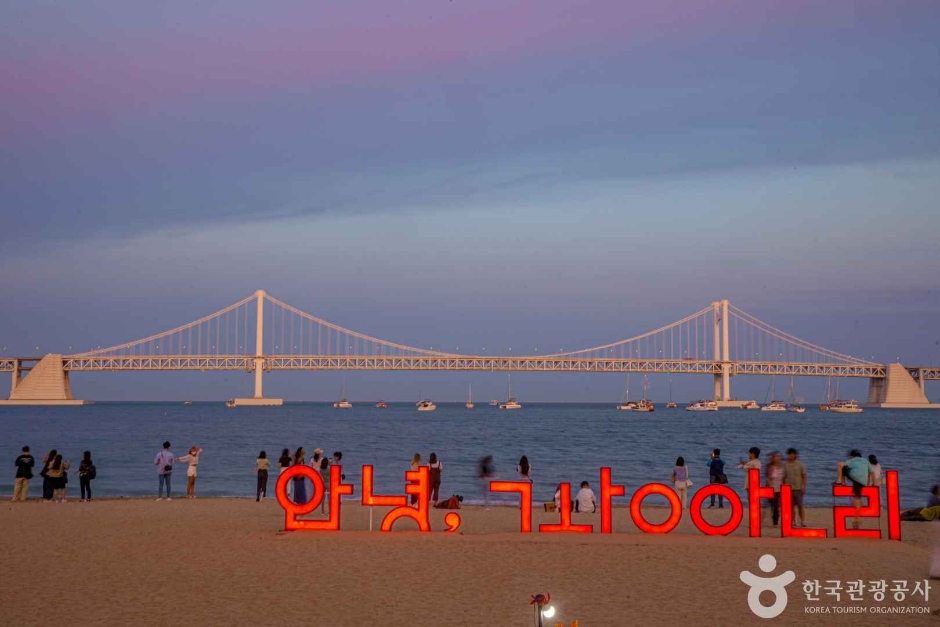
Two tiers, both on the sand in front of the Hotel Aquapalace and the Homers Hotel on Gwangalli (광안리).
R seat, a table and a chair: 100,000 won. S seat, a chair: 70,000 won. Four per person, maximum.
Selling runs from 4 September through to 17:00 on Friday 6 November, the evening before, through NOL Ticket and the Busan Bank mobile app. Busan Bank branches sell over the counter too, S seats only. Residents of Busan get 10% off, which the city introduced for the first time this year.
Two things are already gone. The early-bird tier sold out in one minute, and the allocation set aside for overseas visitors in advance has been used up as well. What remains is the ordinary sale at the ordinary price.
Book before 11 October or collect in person
A quiet piece of admin with real consequences.
Tickets for bookings completed by Sunday 11 October get posted out. From Monday 12 October onward it is on-site collection only, which on the day means joining a queue in a seafront district holding a crowd that has come for one hour of sky.
Cancelling costs you as the date approaches: a fee that starts around 2,000 won and climbs toward 30% of the ticket.
Watching for nothing
The beach and the seafront road are free, and this is how most people see it.
The official footprint is wider than the beach. It takes in Igidae (이기대) and Dongbaekseom (동백섬) as well, both of which look across the water rather than straight up at it. A view from the far side trades the overhead scale for the reflection off the bay and the bridge in the frame, which is the photograph most people actually want.
Free does not mean easy. This is Korea’s biggest event of its kind, the city closes roads around it, and a spot on the sand at six o’clock is not a spot you found at six o’clock. Treat it as an afternoon.
Getting in, and getting out
Gwangalli sits on Line 2 of the Busan subway, and the honest advice is that the way out is harder than the way in. An hour of fireworks ends for everybody at the same minute.
If you are building a trip around it, the two-day Busan route covers the rest of the city, and the KTX from Seoul is the usual way down. There is also a ferry from Japan, and Camellia Line schedules a special sailing for this exact night, reaching Busan at 21:50 — after the fireworks, so treat that as arriving for the weekend rather than for the show.
Official enquiries go to the Busan Festival Organizing Committee on 051-713-5000.
The date, venue and organisers are from the festival’s own overview page, which gives 7 November 2026 across Gwangalli Beach, Igidae and Dongbaekseom, run by Busan Metropolitan City and the Busan Festival Organizing Committee, with ticketing open from 4 September at 14:00 until 6 November at 17:00. The seat types and prices, the 15:00 entry, the 19:00 to 20:00 display and the 18:00 rule that forfeits both entry and refund are from the NOL Ticket product listing, read on 14 September 2026; the booking channels, the four-ticket limit, the residents’ discount and the one-minute early-bird sell-out are from Busan city’s announcement of the sale. Prices and rules for an event still selling can change, so confirm on the operator’s page before you pay.